

Share and Share Alike?
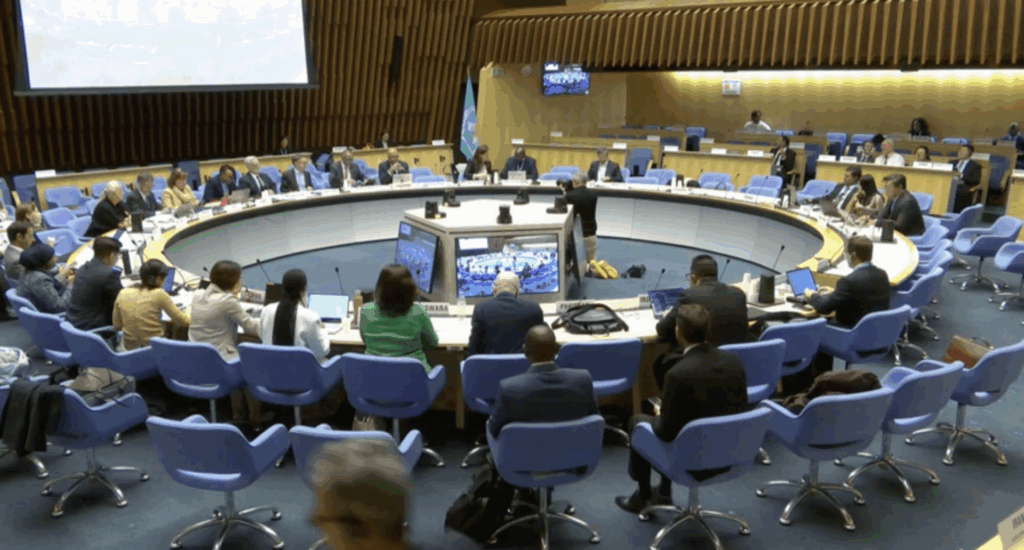
In Geneva this week (1–5 December), the intergovernmental working group (IGWG) on the PABS annex to the Pandemic Treaty, has shifted from concepts to clauses. Delegations have been reminded that there are only two meetings left -- twelve working days -- to sort through terminology, governance and implementation, to “yellow” text where there’s early convergence, and to use evening informals to close gaps. Negotiators will be again pushed to their limits.
Elsewhere, a different sprint race. MoUs floated as statements of intent are being moved at pace towards broader framework agreements, on a brisk runway of roughly ninety days from first signature. Speed apparently making for certainty? The consideration is long-running access to samples and sequence data, fast reporting, and visibility across systems, arrangements that risk outrunning the multilateral bargain being built a few blocks away. The juxtaposition is stark, who benefits, in which respect(s)?
It is perhaps unsurprising that the PABS “informals” between the last IGWG and this one have focused so hard on contracts. They would have needed to anyway, but time is now very much of the essence. The United States is trying to secure singular access for itself and its private companies to the pathogen pipeline regarding data, samples, and the operational visibility that makes early use possible, through instruments that are intended to move faster than a treaty.
For countries on the front line of both tracks, the majority of whom are African, the interrelation between PABS and the MoUs now matters hour by hour. The phone lines between capitals and Geneva are presumably very busy. Delegations were mandated to advance a common African position set by heads of state and government; at the same time, at least a dozen governments are having to walk the line between their mandate in Geneva and capital-level talks led variously by health, industrial policy and foreign affairs ministries, if not the Office of the President. Ninety days is an ambitious window in which to weigh immediate and long-term impacts at home and across the continent, and to ensure any commitments sit squarely within existing legal frameworks and obligations.
Sovereignty is a thing. It gives room to refuse and room to consent, but consent that must stand up later is never just a minister’s signature. It runs through parliaments, regulators, ethics boards and custodial institutions. Which is why the choice is not only bilateral versus multilateral speed, but also what kind of system downstream actors can actually run without coming sharply up against domestic law and institutional consent.
Legal wrangling is vorprogrammiert. And everyone is on the alert. The AU–EU summit text underlined health sovereignty, data stewardship and local manufacturing in thick red pen, while the G20 leaders’ language leaned into equitable access and a rules-anchored instrument. At the same time, the bilateral papers now in circulation try to ring-fence what funding can pay for, and on what timetable, tying resumption of support to very specific and very vertical operational deliverables and disclosure pathways. These positions set up the arguments that lawyers will have to resolve.
For research institutions, clinical-trial managers and manufacturers, this is contract work in the most literal sense. “Access” clauses meet ethics approvals; surveillance meets data-protection law; audit rights meet commercial confidentiality; benefit-sharing meets IP and technology transfer terms that survive termination. Everywhere the due-diligence questions are immediate: do bilateral promises pre-empt or frustrate a future PABS system; are data and specimen obligations explicitly subordinated to multilateral rules once they exist; who decides disputes, under what law, with what remedies.
For companies, a patchwork of frameworks and side-letters multiplies regimes, blurs consent pathways, and turns planning into an exercise in conflict-of-laws. If some—or many—countries enter U.S.-style framework agreements, non-American firms will find themselves planning against U.S.-centric disclosure timelines, audit and reporting templates, MFN and export-priority provisions, and deference to U.S. regulatory decisions in emergencies. That combination can shift compliance burdens, complicate cross-licensing, and muddy procurement signals in third markets. And this is before we discuss compatibility with existing data- and SRHR laws, among others. And through all of this, somebody tell the pathogens.
What seems to be driving all of this is a quiet, stubborn legal truth beneath the politics: soft norms harden by use. Countries will want to deliberate their future security against their immediate. Difficult choices remain to be made, but kawaida ni kama sheria.
Join us for Webinar 3 — Building Contracts & Negotiations in the New Health Architecture
We’ve invited expert lawyers and contract specialists to walk through how and when MoUs become binding, what’s really at stake when they mature into framework agreements on a T-90 timetable, and the dizzying array of contracts the treaty and bilaterals are throwing up.
𝗧𝘂𝗲𝘀𝗱𝗮𝘆 𝟵 𝗗𝗲𝗰𝗲𝗺𝗯𝗲𝗿
5:00pm to 6:30pm EAT/ 3:00pm to 4:30pm CET/ 9:00am to 10:30am EST
Register here: https://us06web.zoom.us/webinar/register/WN_haNgC5rWRgKRs2CwDUEp1w#/registration
