


The Empty Chair in the Factory
There is now rare agreement across the continent that Africa must make its own medical supplies. Presidents, regional disease-control bodies, and the African Medicines Agency share one view: depending on supply chains controlled by others is a danger the continent will no longer accept. That view is right. But its execution leaves out the same thing in every plan, so consistently that it can no longer be read as an accident. Contraceptives and other sexual and other reproductive health products have no seat at the table where Africa’s health-manufacturing future is being designed. As things stand, the drive for independence will reproduce, inside African institutions and by African hands, the exact narrowing of reproductive health that the continent resists when it comes from Washington. A country that does not make the products women depend on is not independent. It has simply moved its dependence to a more flattering address.
The Contradiction at the Heart of Africa’s Health Independence
What Africa has built in the eighteen months to mid-2026 is formidable. The Africa Health Strategy and Systems Agenda became the core framework for health funding, the workforce, community health, and local manufacturing at the 39th African Union Summit1. The African Medicines Agency brought continent-wide regulation under one roof through a cooperation agreement with the World Health Organization, signed alongside the 79th World Health Assembly, committing both sides to aligned rules, shared work, mutual recognition of approvals, and a three-to-five-year plan covering product approval and local production2. The AU’s special summit on health manufacturing met in Nairobi under a target of making at least sixty per cent of the continent’s vaccines in Africa by 20403. Kenya’s progress toward WHO Maturity Level 3 for medicines regulation, advanced at the World Health Summit Regional Meeting in Nairobi, sets the regulatory standard a country needs before it can make these products at home4. Each is a real instrument of control.
The deep flaw lies in the thinking that decided which products all this was built to protect. The whole system is geared to the rare and the dramatic: pandemic pathogens, vaccines, biosecurity threats, and the emergencies that mobilise political attention and donor money. It is built for the exceptional crisis, not for the everyday and the recurrent. The day-to-day safety of a woman who needs a contraceptive implant, a medicine to stop heavy bleeding after childbirth, or magnesium sulphate to manage eclampsia falls entirely outside the manufacturing plan the sixty-per-cent goal governs5. A May 2026 review of the Nairobi decisions stated the result plainly: contraceptive manufacturing is absent from the continent’s production roadmaps, and almost all modern contraceptives used across sub-Saharan Africa are imported, a weakness laid bare during the COVID-19 supply breakdown and again when the Strait of Hormuz closed6.
This bias feeds on itself through the path procurement takes once it starts. As soon as the African Pooled Procurement Mechanism and the African Medicines Agency’s approval plan fix their first product list around pandemic and infectious-disease supplies, everything that follows inherits it: every later investment decision, every manufacturer’s plan for where to put its capital, and every regulatory application treats that starting list as settled. Reproductive health products are being deferred, and deferral while the system is still being designed hardens quietly into permanent exclusion, long before any minister is asked to vote on it. The institutional connections that could correct this already exist. For example, the UNFPA–Africa CDC partnership signed at the February 2026 AU Summit targets exactly this: jointly buying reproductive, maternal, newborn, and adolescent health products, scaling innovation, and combining public and private money7. The problem is that the mandate has not been written into the product lists where manufacturing decisions are actually made.
The Outside Pressures and Money Risks
The case for making reproductive health products in Africa rests not on hope but on how clearly the alternative has just failed. The continent has seen in plain sight what happens when the basic security of women’s health depends on a single foreign government in a divided and volatile world. How the damage spreads is no longer theory.
The first pressure is policy. The shift in United States engagement under the America First approach, presented as a move away from aid, dependency, and what it calls divisive ideology, removed sexual and reproductive health from American assistance by design. The expanded Mexico City Policy, renamed Promoting Human Flourishing in Foreign Assistance, attached its conditions to all non-military United States foreign aid, around thirty billion dollars a year, roughly fifty times the reach of the original rule8, and the wider cuts to aid forced family planning clinics across the continent to close9. Independent analysis found that about ninety-four per cent of United States funding for sexual and reproductive health was cut, a withdrawal equal to more than one hundred and thirty thousand women losing access to contraception each day10. A single political shift in one Western capital squeezed the funding for an entire area of health across a whole continent. That is the precise shape of a risk that cannot be spread or hedged, and prudent institutions do not leave something so basic exposed to it.
The second pressure is financial and comes from outside Africa. The closure of the Strait of Hormuz during the conflict of February to March 2026, a route carrying about a fifth of the world’s oil, drove a price spike that fell hardest on oil-importing African economies11. The resulting inflation compresses national health budgets, and within them reproductive health is classed as non-emergency spending and cut first under austerity. The same conflict disrupted the shipping routes that imported contraceptives depend on. So, a geopolitical event with no obvious link to reproductive health degraded both the money to buy these products and the supply chain to deliver them at once, through two entirely separate channels.
The third pressure is the false comfort of what is replacing the old aid. The funding now consolidating around the continent does not restore the lost grants; it substitutes tools poorly suited to delivering reproductive health. The bilateral health agreements signed with thirty-one governments, covering spending to 2030 and worth at least twenty billion dollars, roughly thirty-seven per cent of it to be paid by the receiving countries themselves, steer support away from family planning, maternal health, and children’s health toward a narrower focus on health security12. The now-fashionable reliance on private money and blended finance depends on commercial returns, and there are few if any to be had from a service whose users are mostly the poorest women and adolescents. That is why health captures only a tiny share of global blended-finance flows, and reproductive health a smaller share still13.
Africa is being asked to treat as permanent infrastructure a set of funding tools that are plainly conditional, contingent, and procyclical: each shrinks at exactly the moment need rises. The record forces a structural conclusion: no external instrument on offer today can sustainably fund a steady supply of reproductive health products, because every one of them is governed by political or commercial logic. Making these products at home is not the best option among several. It is the only one that removes the dependence on the very channels that have just failed.
Bringing Manufacturing Policy and Health Fairness Together
The argument below is framed deliberately outside the language of charity or welfare. Making reproductive health products at home is presented here as an economic and national-security imperative, on the same footing as making vaccines, because that is what the economic and geopolitical evidence shows it to be. A country that cannot secure its own supply of the products needed to keep women alive through childbirth and to manage its demographic transition has a sovereignty gap of the first order, however the issue is usually labelled.
- Decide now which products will be made: The single highest-leverage step is to name reproductive health products explicitly on the African Medicines Agency’s approval plan and the African Pooled Procurement Mechanism’s buying list, before those lists harden. The AMA–WHO cooperation agreement and the support programme for small and medium manufacturers launched alongside it give Africa the means14. What is required is the deliberate inclusion of contraceptives, the medicines used to manage childbirth, and post-abortion-care products on the early list, framed as continental supply security. The foreign aid that once paid for the regulation and quality assurance behind family planning supplies is now gone, which makes the shared continental system its only credible successor.
- Make the money case in the language funders use: The investment case must be made in the language the funders already speak. The economic argument is direct and measurable: contraceptive access means more women in work, fewer maternal deaths and so households kept productive, and a managed demographic transition that underpins long-term growth, with every dollar in family planning and maternal health returning several in economic benefit15. This framing fits the investment language of the Nairobi Declaration adopted at the Africa Forward Summit and the sustainable-finance pillar that France carries as G7 host toward Evian16 and are concrete, ready-made homes into which reproductive health manufacturing can be inserted as an investment worth backing.
- Use shared rules as a shield: Consolidating continent-wide regulation under the African Medicines Agency and moving medicines regulation over from the earlier regional body, creates a single point of leverage that did not exist before. One shared approval standard for reproductive health products lets African manufacturers reach many national markets at once, converting a scattered set of national hurdles into a single continental market. This is how rule alignment, usually treated as a dry technical task, becomes the decisive instrument of health independence. It is also how the continent insulates itself from the conditions buried in bilateral deals, because a product made, approved, and bought entirely within Africa’s own system is beyond the reach of any gag rule imposed from outside.
- Act in the right order before the window closes: The calendar of meetings offers a finite set of decision points, and the cost of inaction compounds at each one. The AU mid-year coordination meeting, the 76th WHO Regional Committee for Africa in Addis Ababa, and the maturing of the UNFPA–Africa CDC partnership through the second half of 2026 are the nearest moments at which the product list can still be amended17. The WHO reforms reporting to the 80th World Health Assembly, the United Kingdom’s G20 presidency, and the African manufacturing build-out all mature within the same eighteen-month corridor. The operative point is irreversibility: if the manufacturing scope, regulatory baselines, and buying lists are set now without reproductive health products, a later change of political weather in a donor capital will not reopen them, because committed factories and approvals do not reverse within one electoral cycle. This decision is being made during this window whether or not anyone makes it deliberately.
The empty chair in the factory is not yet bolted to the floor. For a short and shrinking window, it remains a chair that Africa’s own institutions can choose to fill. The structure of health independence is being poured around it like concrete. The only question that matters is whether reproductive health products are written into the plan while the concrete is still wet, or whether the continent discovers, after it has set hard, that it manufactured its own independence and left the basic security of half its people standing outside the building.


Evidence Is Not Enough: What the Domestic Resource Mobilization Webinar Series Revealed About Leadership, Learning, and Systems Change
By Wyckliff Ombede, Head of Monitoring, Evaluation and Learning, policy/strategy group
Global development does not suffer from a lack of evidence. Every year, new studies, evaluations, financing analyses, and monitoring systems generate insights into what works and why. Yet many reforms continue to struggle to move from political commitment to sustained implementation. The challenge is often not generating evidence, but translating it into action.
This lesson emerged clearly from the Global Leaders Network (GLN) DRM in Action! Webinar Series, led by South Africa in partnership with PMNCH and the National School of Government. Running from September 2025 to April 2026, the series brought together political leaders, policymakers, financing experts, development partners, and practitioners to explore how countries can strengthen domestic financing for women’s, children’s, and adolescents’ health (WCAH).
policy/strategy group (p/s) supported the series through coordination and Monitoring, Evaluation and Learning (MEL), capturing insights from participation data, audience engagement, live polling, speaker discussions, and participant reflections. While the webinars focused on domestic resource mobilisation and innovative financing, they revealed broader lessons about implementation, accountability, learning, and systems change.
Participants were largely aligned on the challenge. Few questioned the importance of domestic resource mobilisation or the need for innovative financing approaches. Instead, discussions focused on a different question: how can reforms be implemented, sustained, and translated into results?
Across all six webinars, a consistent message emerged. Countries are looking for practical support to navigate implementation. They want stronger accountability systems, opportunities for peer learning, and guidance on managing the political and institutional realities that shape reform. In short, they are seeking the capabilities that bridge the gap between evidence and action.
For MEL practitioners, this raises an important challenge. The future of MEL lies not only in producing evidence, but in helping leaders and institutions use evidence to strengthen implementation, improve decision-making, and sustain change.
Knowing What Works Is Not the Same as Making It Work
One of the clearest lessons from the webinar series was that many countries have moved beyond understanding the financing challenge and are now grappling with implementation.
Early discussions focused on declining aid, fiscal pressures, and the need to strengthen domestic financing. Over time, however, the conversation shifted from why reform is needed to how reform can be delivered. Questions increasingly centred on governance arrangements, implementation sequencing, institutional readiness, accountability mechanisms, and political feasibility.
Whether discussing blended finance, social impact bonds, debt-for-health swaps, or innovative taxation models, participants consistently sought practical guidance on implementation rather than additional evidence of the problem.
Country experiences generated some of the strongest engagement. Participants wanted to understand what had worked, what barriers had emerged, and how implementation challenges had been addressed in different contexts. The message was clear: awareness is not the primary constraint; implementation readiness is.
This has important implications for MEL. If implementation is the challenge, MEL cannot focus solely on measuring results after the fact. It must help decision-makers navigate uncertainty, identify bottlenecks, and adapt as reforms unfold.
Accountability Is Becoming a Strategic Asset
Another important lesson from the webinar series was the changing role of accountability in financing reforms.
Historically, accountability systems were often viewed as reporting requirements designed to satisfy donors, auditors, and programme managers. Monitoring frameworks, expenditure reports, and performance reviews frequently sat alongside implementation rather than at its centre.
The discussions across the six webinars suggested a different perspective.
Participants repeatedly emphasised that sustainable financing depends not only on mobilising resources, but also on demonstrating that those resources are managed effectively, transparently, and in ways that produce measurable results. Accountability emerged not as a compliance requirement, but as a foundation for financing credibility.
Country examples reinforced this point. Nigeria’s Basic Health Care Provision Fund illustrated how expenditure tracking and accountability systems can strengthen transparency and confidence in public financing arrangements. Zambia’s experience financing SRH commodities demonstrated how procurement monitoring can improve both oversight and service delivery. In South Africa, discussions around the Imagine Social Impact Bond highlighted the value of independently verified results in building confidence among investors, governments, and implementation partners.
Across these examples, participants returned to a common theme: financing systems are only as credible as the accountability systems that support them.
Governments need evidence to justify continued investment. Citizens need transparency to maintain trust. Investors and financing partners need confidence that resources are being used effectively and that promised outcomes can be verified.
For MEL practitioners, this expands the role of monitoring systems. Beyond tracking indicators, they help build trust, strengthen legitimacy, and create confidence among those financing and implementing reforms. Accountability is therefore not simply an administrative function; it is a strategic asset that helps sustain reform.
Politics Matters More Than Most MEL Systems Acknowledge
Perhaps the most significant lesson emerging from the webinar series is that implementation challenges are rarely technical alone.
Across discussions on financing, accountability, and SRHR, participants consistently pointed to political priorities, institutional incentives, leadership transitions, fiscal pressures, and stakeholder dynamics as the factors most likely to determine whether reforms progressed or stalled.
The discussions on SRHR financing were particularly revealing. Despite strong evidence on the health, social, and economic benefits of investing in SRHR, financing remains vulnerable in many countries. During periods of fiscal constraint, these services are often among the first to face budget reductions and may become subject to political contestation or shifting government priorities.
The challenge, therefore, is not whether evidence exists. It is whether the political and institutional conditions exist for that evidence to be acted upon.
Participants repeatedly highlighted the importance of relationships between Ministries of Finance and Ministries of Health, the role of political leadership in sustaining reform momentum, and the need to build coalitions capable of navigating competing interests and institutional constraints.
Several country examples demonstrated that reforms progressed because stakeholders aligned incentives, built support, and created ownership across government systems—not simply because compelling evidence was presented.
For MEL practitioners, this raises an important question. Many MEL systems continue to treat implementation as a largely technical process, focusing on activities, outputs, and outcomes while paying less attention to the conditions that shape whether change is possible in the first place.
Yet some of the most useful questions are often:
- What enabled progress?
- Which political or institutional conditions supported reform?
- What incentives helped or hindered implementation?
- What barriers continue to limit change?
Answering these questions requires MEL systems that pay greater attention to context, power, incentives, and institutional dynamics. Evidence matters, but it rarely drives reform on its own.
Learning Must Move Closer to Decision-Making
A fourth lesson emerging from the webinar series is that countries are not asking for more information. They are asking for help turning information into action.
As discussions progressed, participants sought practical guidance on implementation. They wanted to understand how reforms could be operationalised within their own political, fiscal, and institutional realities. Questions focused on sequencing, governance arrangements, accountability systems, implementation readiness, and how other countries had navigated similar challenges.
What participants valued most were not additional reports or abstract concepts, but practical lessons that could help them make decisions.
This reflects a broader challenge across international development. Significant investments have been made in generating evidence through monitoring systems, evaluations, research studies, and reporting frameworks. While these efforts have increased the availability of information, they have not always increased its use.
Evidence creates value when it helps decision-makers understand emerging challenges, test assumptions, adapt strategies, and make better choices.
This was evident throughout the webinar series. Some of the most engaging discussions emerged not from presentations of findings, but from country experiences. Participants repeatedly referenced lessons from Ethiopia, Zambia, Nigeria, South Africa, Malawi, Kenya, Sierra Leone, and Cameroon, seeking practical insights into what worked, what did not, and how implementation challenges had been addressed.
The demand was not for more evidence. It was for learning.
For MEL practitioners, this means learning cannot remain a separate activity conducted at the end of a programme. It must be embedded within implementation and decision-making processes through stronger learning loops, structured reflection, adaptive management approaches, and regular opportunities for stakeholders to interpret evidence together and act on it.
What This Means for the Future of MEL
The lessons emerging from the GLN webinar series extend far beyond domestic resource mobilisation. They point to a broader shift in how MEL must evolve to remain relevant in increasingly complex policy and development environments.
Five implications stand out:
- Focus on decisions, not indicators. The purpose of MEL is not data collection; it is better decision-making.
- Integrate political economy and implementation realities. Understanding incentives, institutions, and stakeholder dynamics is often as important as measuring outcomes.
- Strengthen accountability as a governance function. Accountability builds trust, improves transparency, and supports long-term reform.
- Create structured learning systems. Learning requires deliberate processes that help stakeholders interpret evidence and translate it into action.
- Support adaptation, not just reporting. MEL systems should help programmes respond to changing realities, not simply document what happened.
Conclusion
The central lesson from the webinar series is straightforward: countries do not lack evidence. They are seeking support to implement reforms, navigate complexity, strengthen accountability, and learn as they go.
As development challenges become increasingly complex, MEL cannot be limited to measuring results after implementation. It must support decision-making, learning, adaptation, and accountability throughout the reform journey.
The future of MEL will not be defined by how much data we collect or how many reports we produce. It will be defined by how effectively evidence helps leaders navigate complexity, strengthen implementation, build trust, and make better decisions.
At p/s, we believe MEL should do more than measure change. It should help leaders understand systems, strengthen implementation, and turn evidence into action.

Reading No
Reader, when this writer was a child, the baby brother — don’t call him that! — would, when exasperated, despatch offending elder siblings with a perfectly sounded-out “N-O means no.” Arms akimbo, brow furrowed, pitch declaring level of seriousness, the matter closed before it had properly opened. Credit to the parents for their kindergarten choices, wah! There was no appeal, no counter-offer, no graceful retreat into ambiguity, just total clarity, the end.
In the last two months, no has been on the lips of a few African capitals’ mouths, in response to American 30-60-90 hardball in a brave new transactional global health world. Whether all these nos are in every case a complete sentence, or just the opening gambit, remains to be seen. What is clear is that the word has lately been wielded with an attention-getting just so.
 Harare went first. In late February, Zimbabwe withdrew from talks over a $367m bilateral health memorandum with the United States, calling the terms “lopsided.” Lusaka followed within days, suspending a deal worth more than $1bn after officials concluded that several clauses, including one apparently hitching health funding to a mining partnership, did not align with the national interest. Then a few days ago, Accra. Ghana walked away from a $109m, five-year package, citing concerns over the sharing of sensitive citizen health data. Three governments in three different rooms, with three rather different price tags on the table, arrived at the same single-syllable conclusion. Meanwhile, Kenya’s $1.6bn agreement moved forward after the Court of Appeal lifted orders that had temporarily blocked implementation of the medical cooperation framework with the United States.
How is all this to be read? As a robust, if multifaceted, defence of Common African Position on Pandemic Prevention, Preparedness, and Response (CAP-PPPR) in the face of Divide and Conquer, Season 55?
Washington’s “America First Global Health Strategy,” unveiled last year, replaced traditional aid with bilateral compacts requiring co-financing, performance tracking and, in several cases, the long-term sharing of pathogen and population health data and reach-in around them, to say nothing of mineral rights, transport corridors, and whatever else might reasonably be slipped into a schedule.
When Zimbabwe’s information minister explained Harare’s refusal, he framed the issue not as money but as multilateralism: a bilateral pathogen-sharing deal, he argued, would undermine the very system Africa has spent years championing in Geneva. Zambia’s objections centred on the entanglement of health aid with mineral access, while Ghana’s turned on data sovereignty and the absence of any guaranteed access to innovations derived from its citizens’ biological information. The particulars vary, perhaps decidedly. But the ricochet heard around the world from these three capitals was unmistakable: Africans can indeed say no. I’d rather starve than sign that.
The “rather starve” is not, alas, entirely figurative. The 2025 dismantling of USAID and the abrupt suspension of American health assistance has, by one tracker’s count, already contributed to hundreds of thousands of avoidable deaths. The Center for Global Development reckons the new compacts represent, on average, a 49% drop from 2024 funding levels, with recipient governments expected to absorb the gap within five years. The numbers describe a wager, not a posture.
What is being wagered, and why now? Perhaps the brazenness of this latest round has caused at least these three capitals to reflect on how far ceded health sovereignty had quietly exposed them, and to take the painful decision to lance the boil. If so, it is the right thing to do. But because they failed to consult their publics in advance, the choice is exceedingly painful, and the pain will be borne by people who were never asked whether they were willing to bear it. To refuse a billion dollars when your HIV programme depends on it is not a flourish. It is a calculation that the alternative, yes on these terms, is worse than the cliff. Whether the citizens whose treatment will be interrupted agree with that calculation is a question their governments have not yet thought to ask.
The edge of the cliff is looming, against the backdrop of the final stretch of negotiations on the Pathogen Access and Benefit-Sharing annex, the PABS annex, the last and most contested piece of the WHO Pandemic Agreement adopted at last year’s World Health Assembly. Negotiators reconvened in Geneva this week, but with member states unable to bridge key divides, discussions on the annex have now been extended to May 2027. The gap between blocs remains wide enough to swallow the original deadline whole. Positions have barely shifted, low- and middle-income countries continue to press for mandatory benefit-sharing, including guaranteed access to vaccines, therapeutics and diagnostics in exchange for the rapid sharing of pathogen data, wealthier countries press for safeguards on pharmaceutical innovation and open access to genetic sequences. The Pandemic Agreement itself cannot enter into force until the annex is finished, which gives every bilateral signature a quiet but forceful relevance as a thumb on the multilateral scale.
In a few weeks, African and other capitals, and the health diplomats who speak for them, will have to go home and explain the consequences of these negotiations to their publics. Whatever emerges from Geneva, and whatever has been signed or refused bilaterally, will land on the desks of finance ministers, in the wards of public hospitals, in the queues at primary health care facilities where the supply of antiretrovirals has dried up. This is what we got. This is what it cost. This is what we could not protect.
It causes one to reflect that engaging those publics beforehand, explaining the trade-offs, naming the red lines, soliciting a mandate rather than presenting a fait accompli, would make the coming medicine go down rather better. Sovereignty asserted on a citizen’s behalf, without the citizen, is a thinner thing than sovereignty asserted with one. And perhaps, it also presents an opportunity to extend that need to be treated as mature adults to their own citizens. There is scarcely a country on the continent where the memory of having died to defend the principles of dignity and the right to self-determination is more than a grandparent’s generation away.
The capitals that have refused these bilateral deals have, broadly, framed the refusal as a defence of national interest, but whether their citizens recognise it as such when the consequences arrive in the form of stockouts, shuttered programmes, sickness, and death will depend almost entirely on whether the conversation happened in time.
That conversation will also determine the larger thing. The question hanging over Geneva, and over every capital weighing a bilateral against a multilateral commitment, is whether what is being defended is worth the price of defending it. A PABS annex that collapses, or one stripped of meaningful benefit-sharing, would arguably represent the last and best chance of operationalising equity in pandemic response squandered. A multilateral framework that holds, by contrast, would vindicate a decade of African diplomatic insistence that the rules of global health be written with rather than for the global majority.
Whether the diplomats now at work are negotiating a Pyrrhic victory in the form of a principled refusal that costs more lives than it saves, a multilateralism preserved on paper while its constituencies are abandoned in practice, or, conversely, delivering a lethal blow to multilateralism itself by signing away its premise in side-deals, will not be known on the day the Assembly votes. It will be known later, in the explaining. And the explaining, like the negotiation, is best done with a mandate already in hand.
To what are we saying no?

Study Design as the Determinant of Bioequivalence Outcomes: Implications for Regulatory Science and Access to Medicines in Africa
Abstract
Bioequivalence (BE) studies are fundamental to the approval of generic medicines, serving as surrogates for clinical efficacy by demonstrating comparable pharmacokinetic exposure to reference products. While regulatory frameworks emphasize endpoints such as area under the curve (AUC) and maximum concentration (Cmax), the role of study design in determining BE outcomes remains underappreciated. This editorial argues that study design, not merely formulation quality, is the primary determinant of BE success or failure. In Africa, where regulatory systems are increasingly requiring robust BE data, inadequate study design represents a critical barrier to timely access to affordable medicines. We examine key determinants of BE study design, including variability, statistical power, dissolution methodologies, and comparator selection, and highlight the urgent need to strengthen capacity in advanced regulatory science across the continent.
Introduction
The global expansion of generic medicines has been predicated on the use of bioequivalence (BE) studies as a scientifically valid and ethically efficient alternative to large-scale clinical trials. Regulatory authorities such as the US Food and Drug Administration (FDA) and the European Medicines Agency (EMA) require demonstration that generic products achieve comparable systemic exposure to reference products, typically within the 80–125% equivalence interval for AUC and Cmax.¹,²
In Africa, regulatory systems are undergoing a transition toward more rigorous, evidence-based evaluation of generic medicines, supported by continental initiatives such as the African Medicines Agency (AMA) and regional harmonisation programmes.³ This shift is accompanied by increasing requirements for locally relevant BE data and reduced reliance on external regulatory decisions.
Despite these advances, a critical challenge persists: a substantial proportion of BE study failures is attributable not to deficiencies in formulation quality but to suboptimal study design. This distinction has important implications for regulatory science, pharmaceutical development, and access to medicines.
Bioequivalence Beyond Metrics
Bioequivalence is typically assessed using pharmacokinetic (PK) parameters such as AUC and Cmax. However, these parameters are not intrinsic constants; rather, they are influenced by multiple design-related factors, including sampling schedules, subject selection, study conditions (fed versus fasted), and analytical methods.⁴
Consequently, BE outcomes are not solely reflective of the drug product's physicochemical properties but are also co-determined by methodological design choices. Regulatory guidance from the World Health Organization (WHO) explicitly recognises that study design must be sufficiently sensitive to detect differences between formulations.⁵
This perspective reframes BE from a purely analytical exercise to a construct of experimental design, where methodological rigor directly determines interpretability.
Study Design and Variability
Design Selection
The two-period, two-sequence crossover design remains the gold standard for BE studies due to its ability to minimise inter-subject variability.¹ However, its applicability is limited in specific scenarios, including drugs with long elimination half-lives, safety concerns, or high intra-subject variability.
Highly variable drugs (HVDs), defined as those with intra-subject variability exceeding 30%, present a particular challenge.⁶ In such cases, standard BE designs may lack sufficient power to demonstrate equivalence, even when products are truly bioequivalent.
Regulatory agencies recommend alternative approaches, including replicate crossover designs and reference-scaled average bioequivalence (RSABE), to address this issue.² Failure to adopt appropriate designs for HVDs often results in false-negative outcomes, repeated studies, and increased development costs.
Statistical Power and Sample Size
Sample size determination is a critical component of BE study design, directly influencing the probability of demonstrating equivalence. Underpowered studies may fail to meet equivalence criteria despite true similarity between products, while overpowered studies raise ethical concerns related to unnecessary exposure of participants.⁷
Optimal sample size calculations must incorporate anticipated variability, study design, and regulatory acceptance limits. This requires advanced statistical expertise and highlights the importance of integrating biostatistics early in study planning.
Dissolution Testing and Biowaiver Strategies
In situations where in vivo BE studies are waived, study design extends into the domain of in vitro testing. Dissolution studies must be carefully designed to ensure physiological relevance and discriminatory power.
The similarity factor (f2) is commonly used to compare dissolution profiles; however, it has recognised limitations, particularly in the presence of high variability or non-linear dissolution kinetics.⁸ Regulatory guidance increasingly emphasises a weight-of-evidence approach that integrates dissolution data with biopharmaceutic classification and formulation characteristics.⁵
Poorly designed dissolution studies can undermine otherwise robust biowaiver applications, leading to regulatory rejection.
Comparator Selection and Regulatory Context
The selection of an appropriate reference product is a critical yet frequently underestimated aspect of BE study design. Regulatory requirements vary across jurisdictions, and in African contexts, multiple reference sources (e.g., EU-approved, US-approved, or WHO-prequalified products) may be acceptable.
Misalignment between comparator selection and regulatory expectations can invalidate BE studies, irrespective of their scientific quality. This underscores the need for strategic regulatory planning alongside technical expertise.
Implications for Africa: Study Design as a Barrier to Access
As African regulatory authorities increasingly require BE data for generic drug approval, the capacity to design and conduct robust studies becomes a key determinant of market access.³
Inadequate study design contributes to:
- Delayed product approvals
- Increased development costs
- Reduced availability of affordable medicines
These challenges are particularly significant in the context of rising burdens of non-communicable diseases, where timely access to quality-assured generics is essential.
Bridging the Capacity Gap
While infrastructure for BE studies is expanding across Africa, expertise in advanced study design, variability management, and regulatory strategy remains limited. Addressing this gap requires targeted capacity-building initiatives that integrate clinical pharmacology, biostatistics, and regulatory science.
Collaborative efforts involving regulators, industry, and academia are essential to develop a shared understanding of BE principles and their practical application in African contexts.
Conclusion
Bioequivalence studies are often viewed as technical exercises in regulatory compliance. However, this editorial argues that they should be understood as strategic scientific endeavours, in which study design determines not only the study's outcome but also the trajectory of product development and access to medicines.
In Africa’s evolving regulatory landscape, strengthening expertise in BE study design is not merely a technical priority; it is a public health imperative.
Study design is not a procedural step in bioequivalence; it is its foundation. Without a robust design, the promise of generic medicines cannot be fully realised.
References
- European Medicines Agency. Guideline on the investigation of bioequivalence. London: EMA; 2010.
- US Food and Drug Administration. Bioequivalence studies with pharmacokinetic endpoints for drugs submitted under an ANDA. Silver Spring, MD: FDA; 2014.
- Ndomondo-Sigonda M, Miot J, Naidoo S, et al. Medicines regulation in Africa: current state and opportunities. BMJ Glob Health. 2017;2(2):e000297.
- Midha KK, Rawson MJ, Hubbard JW. The bioequivalence of highly variable drugs and drug products. Int J Clin Pharmacol Ther. 2005;43(10):485–98.
- World Health Organization. Multisource (generic) pharmaceutical products: guidelines on registration requirements to establish interchangeability. Geneva: WHO; 2021.
- Davit BM, Conner DP, Fabian-Fritsch B, et al. Highly variable drugs: observations from bioequivalence data submitted to the FDA. AAPS J. 2008;10(1):148–56.
- Chow SC, Liu JP. Design and analysis of bioavailability and bioequivalence studies. 3rd ed. Boca Raton: CRC Press; 2008.
- Shah VP, Tsong Y, Sathe P, Liu JP. In vitro dissolution profile comparison—statistics and analysis of the similarity factor, f2. Pharm Res. 1998;15(6):889–96.
Our fifth webinar explores the architecture behind access. “Designing Access to Medicines in Africa” brings together regulatory, scientific, and policy expertise to examine how bioequivalence study design shapes market entry for generics across the continent.
As African regulators strengthen requirements, decisions made at the protocol stage—on variability, sample size, comparator selection, and biowaiver strategy—are increasingly determinative. On Tuesday, 10 March 2026, this March Briefing asks what it takes to align rigorous standards with timely access, and how countries can build the technical depth needed to ensure both.
Tuesday, 10 March 2026
Register here: https://us06web.zoom.us/webinar/register/WN_JzfBuffHQa6uG_qC60zWMA

This, your data
Hakuna cha bure...
Geneva, that hard worker is back at the desk, blowing the holiday dust off the PABS assignment packs, rediscovering minutes, moving commas, only vaguely recalling the holiday restorative, and the determination not to go flat-out this year. Meanwhile, Trouble, that deep-pocketed, lone-wolf main character who claims to have outgrown clubs, but still loves their members, has left town apparently for good, but is slipping into DMs, still very very interested in your assets, especially those labelled “data”. Capitals are easing into the year a little more slowly, knowing they’ve made commitments, but, you know, pacing themselves.
As a continent prepares for a year characterised by financing the repair of the damage of the last, each government will audit its needs in context. Each will check its pockets for currency reserves, and calculate how far they can be made to stretch. In the brave new post-2025 world, the currency they’ll be dependent on is data: individual, institutional, commercial, aggregated. And even as national mattresses are being turned for coin, forward parties have already been dispatched from elsewhere to secure it. If and how they can finance their health infrastructure, what amounts will be assigned to research, innovation, surveillance regulation, manufacturing, or service provision, all of that will depend on what they can do with the asset everyone wants most.
So countries will need to know, and be sure they are right in knowing, which datasets are truly strategic, which conditions are non-negotiable, and what and how much can and should be traded for what ends, within the strictures of the law, of course. They will need to be astute about its transactional value and its bankability. It will not be enough to name the assets plainly but put verification of terms in the hands of people able to ask awkward questions . That best friend who tells you no lies, will need to be on hand for the straight-talk audits. If the brave new world is one of transactions the structure of the guardrails around the lanes chosen assume a singular significance.
Our fourth webinar, and first of the year, takes up these questions with an eye on strategy rather than sentiment. “This, your data” convenes data-privacy and governance experts and strategic advisers from public, private, and public-interest roles to ask, on World Data Protection Day, Wednesday 28 January 2026, what guardrails actually distinguish suitor from scavenger—and how countries, each in their own context, can know those guardrails are in place and holding.
Wednesday 28 January
Register here: https://us06web.zoom.us/webinar/register/WN_haNgC5rWRgKRs2CwDUEp1w#/registration
New year, new terms.
Share and Share Alike?
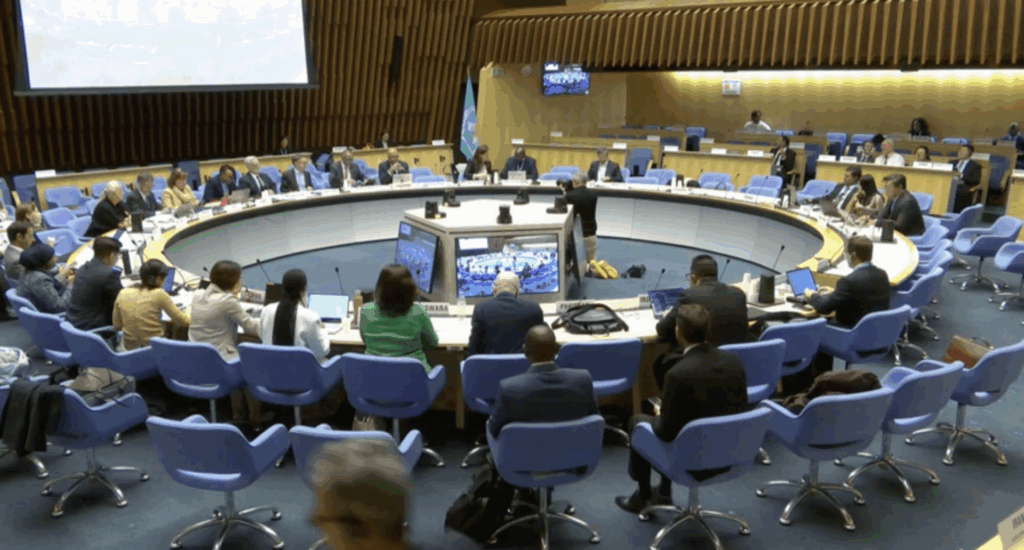
In Geneva this week (1–5 December), the intergovernmental working group (IGWG) on the PABS annex to the Pandemic Treaty, has shifted from concepts to clauses. Delegations have been reminded that there are only two meetings left -- twelve working days -- to sort through terminology, governance and implementation, to “yellow” text where there’s early convergence, and to use evening informals to close gaps. Negotiators will be again pushed to their limits.
Elsewhere, a different sprint race. MoUs floated as statements of intent are being moved at pace towards broader framework agreements, on a brisk runway of roughly ninety days from first signature. Speed apparently making for certainty? The consideration is long-running access to samples and sequence data, fast reporting, and visibility across systems, arrangements that risk outrunning the multilateral bargain being built a few blocks away. The juxtaposition is stark, who benefits, in which respect(s)?
It is perhaps unsurprising that the PABS “informals” between the last IGWG and this one have focused so hard on contracts. They would have needed to anyway, but time is now very much of the essence. The United States is trying to secure singular access for itself and its private companies to the pathogen pipeline regarding data, samples, and the operational visibility that makes early use possible, through instruments that are intended to move faster than a treaty.
For countries on the front line of both tracks, the majority of whom are African, the interrelation between PABS and the MoUs now matters hour by hour. The phone lines between capitals and Geneva are presumably very busy. Delegations were mandated to advance a common African position set by heads of state and government; at the same time, at least a dozen governments are having to walk the line between their mandate in Geneva and capital-level talks led variously by health, industrial policy and foreign affairs ministries, if not the Office of the President. Ninety days is an ambitious window in which to weigh immediate and long-term impacts at home and across the continent, and to ensure any commitments sit squarely within existing legal frameworks and obligations.
Sovereignty is a thing. It gives room to refuse and room to consent, but consent that must stand up later is never just a minister’s signature. It runs through parliaments, regulators, ethics boards and custodial institutions. Which is why the choice is not only bilateral versus multilateral speed, but also what kind of system downstream actors can actually run without coming sharply up against domestic law and institutional consent.
Legal wrangling is vorprogrammiert. And everyone is on the alert. The AU–EU summit text underlined health sovereignty, data stewardship and local manufacturing in thick red pen, while the G20 leaders’ language leaned into equitable access and a rules-anchored instrument. At the same time, the bilateral papers now in circulation try to ring-fence what funding can pay for, and on what timetable, tying resumption of support to very specific and very vertical operational deliverables and disclosure pathways. These positions set up the arguments that lawyers will have to resolve.
For research institutions, clinical-trial managers and manufacturers, this is contract work in the most literal sense. “Access” clauses meet ethics approvals; surveillance meets data-protection law; audit rights meet commercial confidentiality; benefit-sharing meets IP and technology transfer terms that survive termination. Everywhere the due-diligence questions are immediate: do bilateral promises pre-empt or frustrate a future PABS system; are data and specimen obligations explicitly subordinated to multilateral rules once they exist; who decides disputes, under what law, with what remedies.
For companies, a patchwork of frameworks and side-letters multiplies regimes, blurs consent pathways, and turns planning into an exercise in conflict-of-laws. If some—or many—countries enter U.S.-style framework agreements, non-American firms will find themselves planning against U.S.-centric disclosure timelines, audit and reporting templates, MFN and export-priority provisions, and deference to U.S. regulatory decisions in emergencies. That combination can shift compliance burdens, complicate cross-licensing, and muddy procurement signals in third markets. And this is before we discuss compatibility with existing data- and SRHR laws, among others. And through all of this, somebody tell the pathogens.
What seems to be driving all of this is a quiet, stubborn legal truth beneath the politics: soft norms harden by use. Countries will want to deliberate their future security against their immediate. Difficult choices remain to be made, but kawaida ni kama sheria.
Join us for Webinar 3 — Building Contracts & Negotiations in the New Health Architecture
We’ve invited expert lawyers and contract specialists to walk through how and when MoUs become binding, what’s really at stake when they mature into framework agreements on a T-90 timetable, and the dizzying array of contracts the treaty and bilaterals are throwing up.
𝗧𝘂𝗲𝘀𝗱𝗮𝘆 𝟵 𝗗𝗲𝗰𝗲𝗺𝗯𝗲𝗿
5:00pm to 6:30pm EAT/ 3:00pm to 4:30pm CET/ 9:00am to 10:30am EST
Register here: https://us06web.zoom.us/webinar/register/WN_haNgC5rWRgKRs2CwDUEp1w#/registration

Dispatches from Brazil: What's at Stake in Belém
Amidst protracted conflicts across the world, blatant political and military intervention from foreign powers, and some countries’ withdrawal from crucial international organisations, we live in times of wariness about the effectiveness - and even existence, for some - of international law and multilateralism. The discredit is not by chance: the recent emptiness, both in political stature and attendance, of the EU-CELAC meeting held a few days before COP 30 attests to that. To counter this skepticism, this year’s UN Climate Change Conference, COP 30, has been called the ‘COP of implementation’ by the Brazilian presidency. As such, expectations are high: in times of geopolitical uncertainty and seismic changes in the international order, would one be gullible to believe that bold plans will finally be put into practice?
Taking place in Belém, in the heart of Brazil’s Amazon rainforest, the gathering marks the end of a cycle of Brazilian presidencies for important multilateral forums: the Amazon Summit (2023), the G20 (2024), and the BRICS+ Summits (2025) all took place in South America’s largest nation, showcasing the country’s longstanding commitment to being a regional and global leader.
The Brazilian presidencies have been distinctive in that they have placed the fight against inequalities and the climate agenda at the centre of all these forums, including the G20 Summit, which traditionally focuses on economic and trade aspects rather environmental concerns. In an astute move, Brazilian diplomacy has swept those into the talks for the environment is simultaneously the source of crucial supplies for the economy and the very stage where all human interactions take place. Mitigating the harmful impacts of human activities over the environment is, therefore, a topic that cannot be brushed off in multilateral talks, and Brazil’s effort to mainstream climate is one to serve as a model.
Brazil has been a prominent player in climate talks since at least 1992, when it hosted the landmark Earth Summit, which led to the creation of the main UN convention on Climate Change, the UNFCCC. Upon this framework convention, important instruments have been built, most notably the Kyoto Protocol (1997) - which held industrialised nations accountable through legally binding emission reduction targets -, and the Paris Agreement (2015) - a multilateral accord aimed at preventing a rise of over 2 degrees Celsius in global temperature compared to pre-industrial levels.
This year, almost 200 countries, civil society organisations, and private sector representatives will gather in Belém to discuss how to effectively implement the Paris Agreement. Brazil’s presidency has its own goals: defending multilateralism, accelerating climate action, and connecting political decisions to people’s everyday lives. Now in his third term as president, Lula da Silva (Workers’ Party) has for decades advocated for Brazil’s admission as a permanent member of the UN Security Council. Likewise, he has been an eloquent voice for the democratisation and reform of the financial architecture, proposing new quotas in the IMF and World Bank to favour developing countries and relieve them from their debt burden. In line with his advocacy for more democratic governance in security and trade is his insistence on democratising climate governance, following well-defined, predictable rules that states will abide by, for those are the derived from multilateral spaces. Or so the plan goes.
Brazil has placed at the forefront of its presidency the integration of the three UN Conventions addressing the crises of climate, biodiversity, and desertification. According to Brazilian experts, integrating the conventions is fundamental for protecting coastal and marine areas and traditional communities, while taking into account each country’s realities and prioritising nature-based solutions. Because the effects of these crises are felt differently across constituencies—affecting vulnerable communities the most, particularly women and girls—the Gender Action Plan, an initiative to mainstream gender equality across all climate-related agreements, must gain greater definition.
The first week of negotiations was marked by baby steps towards a final agreement on more controversial topics such as climate financing and nationally determined contributions. Funding-wise, Brazil is leading efforts to raise as much of the US$1.3 trillion agreed on in the Baku to Belém Declaration as possible. The country has also launched the innovative Tropical Forests Forever Fund, a financial mechanism to generate revenue for tropical forest preservation. Unlike loans and grants, this fund consists of a fixed-incomed financial application whose profits are used to compensate countries that keep their forests standing, so that conservation becomes economically advantageous.
In relation to energy transition, Brazil has been dubious. Rhetorically, the country proposed the Belém Commitment for Sustainable Fuel, or Belém 4X, which aims to increase by four times the global use of biofuels by 2035. Although commendable, especially since placing all bets on electrification might be unrealistic given the persistence of carbon-intensive sectors, this initiative was put forward amid controversy, as Brazil recently authorised the exploration of oil in the equatorial margins of Brazil. How states will harness the potential of their own natural resources to boost the biofuel industry (the sargassum industry in the Caribbean being a powerful example), what technologies are available for countries and what the current picture looks like regarding biofuel production and use are some of the subjects to watch on this regard.
Friction persists on the issue of adaptation. The goal of reaching up to a hundred indicators to monitor climate adaptation worldwide (the GGA, Global Goal for Adaptation) was frustrated due to developing countries’ misgivings that a poor performance might jeopardise future investments in them.
After all, the U.S. absence from the Conference, overall, did more good than harm. Discussions proceeded without Donald Trump’s boycotts and after all American Democrats who joined the discussion are receiving praise for still supporting these spaces. His strong supporter, the Argentinian president Javier Milei, also declined the invitation to attend COP 30. He did not take his country out of the Paris Agreement, though. Not due to lack of willingness - but because the toll would be high to pay, given that the EU-Mercosur agreement is on the brink of being finalised and the EU holds high environmental standards for closing the deal.
References
Association for Women’s Rights in Development (AWID). (2025, November). COP30 key messages [PDF report]. Retrieved November 12, 2025, from https://www.awid.org/sites/default/files/2025-11/awid_cop30-key-messages_en.pdf
Centro Brasileiro de Relações Internacionais (CEBRI). COP30: How Brazil can pave the way for the next decade of climate action. Revista CEBRI. Retrieved November 12, 2025, from https://cebri.org/revista/br/artigo/229/cop30-como-o-brasil-pode-abrir-caminho-para-a-proxima-decada-de-acao-climatica
Folha de S.Paulo. (2025, November). Gender challenges at COP30. Retrieved November 12, 2025, from https://www1.folha.uol.com.br/opiniao/2025/11/desafios-de-genero-na-cop30.shtml
Globo. (2025, November 10). COP30 officially begins this Monday: What is at stake and what to expect from the conference on the climate crisis. G1 Meio Ambiente. Retrieved November 12, 2025, from https://g1.globo.com/meio-ambiente/cop-30/noticia/2025/11/10/cop30-comeca-oficialmente-nesta-segunda-saiba-o-que-esta-em-jogo-e-o-que-esperar-da-conferencia-sobre-a-crise-do-clima.ghtml
O Eco. Brazil proposes greater synergy between UN environmental conventions to address global crises. Retrieved November 12, 2025, from https://oeco.org.br/reportagens/brazil-proposes-greater-synergy-between-un-environmental-conventions-to-address-global-crises/
Schuck, S. (2025, November 16). De inovação diplomática a impasses políticos: o balanço da 1ª semana da COP30. Exame. https://exame.com/esg/de-inovacao-diplomatica-a-impasses-politicos-o-balanco-da-1a-semana-da-cop30/
UN Women. (2025, November). Climate change & the Gender Action Plan. Retrieved November 12, 2025, from https://www.unwomen.org/en/news-stories/explainer/2025/11/climate-change-gender-action-plan

Emilia Caro on Connecting Health, Gender, and Climate at COP30
English
1. Why is it important to center health in climate discussions?
We need to stop working in silos, right? This applies to the health sector in general, because today it is intertwined with many other issues. Every climate crisis collapses health systems and teams when it’s not planned for, when it’s not taken into account.
I welcome the fact that this is the first COP where health has a significant space — the first where these issues are being discussed and where there’s a dedicated day for it. I think Brazil showed great leadership in that. For me, the importance of centering health and climate lies in moving from reaction to anticipation — understanding that positive health outcomes cannot be built without environmental justice. We need to think about the environment because it directly affects us as human beings.
2. In what ways does the climate crisis concretely affect health systems?
When there are disproportionate rainfalls at certain temperatures in temperate zones, such as across much of the Southern Cone, dengue outbreaks appear in areas where they didn’t exist before. This not only overwhelms health centers and the broader health system but also undermines the overall sustainability of the system.
3. Is there a differentiated impact of the climate crisis on women’s health?
There’s an intersectionality here that must be mentioned — how all of this primarily affects women. Not only because, in many places, women form a more vulnerable community, but also because they are the ones who sustain health systems. In every country where this has been studied, it’s observed that during periods of extreme heat, beyond the direct health impacts, there are also spikes, for example, in gender-based violence.
4. What initiatives by Latin American governments have been key to centering health in climate debates?
The government of Buenos Aires has recently collected a great deal of data and reviewed studies on climate variability and its impact on health — for example, regarding heat zones, mortality, and even the burden on urban services. In Argentina, there’s a climate vulnerability map that overlaps with the public health system. Today we have data showing which regions and areas are most vulnerable to climate crises, although action is still lacking.
5. What would you consider a successful outcome for COP 30 negotiations?
I think it would be interesting to establish, for example, an indicator showing the percentage of countries that include gender-disaggregated health indicators linked to climate in their national frameworks.
That would signal that the conference reached a commitment for countries to adopt a minimum reporting framework that includes health, gender, and climate — or at least health and climate.
The issue is that if we focus only on health and climate without disaggregated data, we’ll never truly see the impact or how different the realities are by gender — even though, when measured, those differences are clear.
Espanõl
1. ¿Cuál es la importancia de centralizar el tema de la salud en las discusiones sobre el clima?
A ver, tenemos que dejar de trabajar en silos, ¿no? Esto aplica al ámbito de la salud en general, porque hoy está atravesado por muchos temas. Toda crisis climática colapsa los sistemas y los equipos de salud cuando no está planificada, cuando no se la tiene en cuenta.
Yo celebro que esta sea la primera COP donde la salud tiene un espacio relevante. Es la primera en la que se discuten estos temas y hay un día específico para tratarlos. Y ahí creo que hubo un gran liderazgo de Brasil. Para mí, la importancia de centralizar el clima y la salud es dejar de reaccionar y empezar a anticipar; es entender que la salud tampoco se construye sin justicia ambiental. Necesitamos pensar en el medio ambiente porque nos repercute directamente como seres humanos.
2. ¿De qué manera la crisis climática afecta a los sistemas de salud, concretamente?
Cuando tenés lluvias desproporcionadas a ciertas temperaturas en zonas templadas, como en todo el centro del Cono Sur, lo que sucede es que aparecen brotes de dengue en zonas donde antes no había. Esto colapsa no solo los centros de atención y el sistema de salud por los brotes, sino también la sustentabilidad del sistema en general.
3. ¿Hay algún impacto diferenciado de la crisis climática sobre la salud de las mujeres?
Acá hay una interseccionalidad que no puedo dejar de mencionar, y es cómo todo esto afecta principalmente a las mujeres. No solo porque en muchos lugares constituyen una comunidad más vulnerable, sino porque son quienes sostienen los sistemas de salud. En todos los países donde se midió, se observa que en días de calor extremo no solo se afecta la salud de las personas, sino que también hay picos, por ejemplo, de violencia de género.
4. ¿Qué iniciativas de los gobiernos de América Latina han sido fundamentales para centralizar la discusión sobre salud en los debates acerca del clima?
El Gobierno de la Ciudad de Buenos Aires ha relevado mucha información recientemente y revisó investigaciones sobre la variabilidad climática y su impacto en la salud, por ejemplo, en las zonas de calor, la mortalidad e incluso la carga de los servicios urbanos. En Argentina, existe un mapa de vulnerabilidad climática que está superpuesto con el sistema de salud pública. Hoy contamos con información sobre cuáles son las regiones y zonas más vulnerables a padecer crisis climáticas, aunque aún falta accionar sobre ella.
5. ¿Qué sería para vos un éxito de las negociaciones en la COP 30?
A mí me parecería interesante, por ejemplo, que se estableciera como indicador el porcentaje de países que incorporen indicadores de salud desagregados por género y vinculados al clima en sus marcos nacionales.
Eso indicaría que la conferencia alcanza un compromiso para que los países adopten un marco mínimo de reporte que incluya salud, género y clima —o, al menos, que empiece por salud y clima.
El tema es que si te quedás solo en salud y clima y no tenés los datos desagregados, nunca vas a ver cómo impacta realmente ni cuán diferente es la realidad según el género, aunque cuando se mide, se ve que esa diferencia existe.
Portuguese
1. Qual é a importância de centralizar o tema da saúde nas discussões sobre o clima?
Precisamos parar de trabalhar em silos, não é? Isso vale para o campo da saúde em geral, porque hoje ele é atravessado por muitos temas. Toda crise climática colapsa os sistemas e as equipes de saúde quando não há planejamento, quando o tema não é considerado.
Eu celebro que esta seja a primeira COP em que a saúde tem um espaço relevante. É a primeira em que o tema é discutido e há um dia específico para tratá-lo. Acredito que houve uma grande liderança do Brasil nisso. Para mim, a importância de centralizar clima e saúde é deixar de reagir e começar a antecipar; é entender que a saúde também não se constrói sem justiça ambiental. Precisamos pensar no meio ambiente porque ele nos afeta diretamente como seres humanos.
2. De que maneira a crise climática afeta os sistemas de saúde, concretamente?
Quando há chuvas desproporcionais a certas temperaturas em zonas temperadas, como em grande parte do Cone Sul, o que ocorre é o surgimento de surtos de dengue em áreas onde antes não havia. Isso colapsa não apenas os centros de atendimento e o sistema de saúde, mas também a sustentabilidade do sistema como um todo.
3. Há algum impacto diferenciado da crise climática sobre a saúde das mulheres?
Existe aqui uma interseccionalidade que não posso deixar de mencionar, e é como tudo isso afeta principalmente as mulheres. Não apenas porque, em muitos lugares, elas formam uma comunidade mais vulnerável, mas também porque são elas que sustentam os sistemas de saúde. Em todos os países onde isso foi medido, observou-se que, em dias de calor extremo, além dos impactos diretos sobre a saúde, também há picos, por exemplo, de violência de gênero.
4. Quais iniciativas dos governos da América Latina foram fundamentais para centralizar a discussão sobre saúde nos debates climáticos?
O governo da cidade de Buenos Aires levantou recentemente muitas informações e revisou pesquisas sobre a variabilidade climática e seu impacto na saúde — por exemplo, nas zonas de calor, na mortalidade e até na carga dos serviços urbanos. Na Argentina, existe um mapa de vulnerabilidade climática sobreposto ao sistema público de saúde. Hoje já sabemos quais são as regiões e áreas mais vulneráveis às crises climáticas, mas ainda falta agir sobre essas informações.
5. O que seria, para você, um sucesso nas negociações da COP 30?
Eu acharia interessante, por exemplo, que se estabelecesse como indicador o percentual de países que incluam indicadores de saúde desagregados por gênero e vinculados ao clima em seus marcos nacionais.
Isso mostraria que a conferência chegou a um compromisso para que os países adotem um marco mínimo de reporte que inclua saúde, gênero e clima — ou, pelo menos, saúde e clima.
A questão é que, se ficarmos apenas em saúde e clima, sem dados desagregados, nunca veremos o verdadeiro impacto nem quão diferente é a realidade de acordo com o gênero — e, quando se mede, vê-se que essa diferença existe.

Spring Gombe
Spring is the Founding Director and Chief Strategist of Policy Strategy Group and the Policy Strategy Academy. From shaping multilateral policies to spearheading innovative health solutions, her expertise spans continents and sectors. Whether convening high-level dialogues or mobilizing resources in the most challenging environments, she turns big ideas into real-world solutions.
Previously, Spring was Partner at Market Access Africa, a Senior Fellow for Health at the Africa-Europe Foundation, and a Senior Policy and Advocacy Manager at the Drugs for Neglected Diseases initiative. She has also served as a Senior Health Policy Analyst at Knowledge Ecology International, Project Manager for the UN Technology Bank’s Technology Access Partnership, Senior Policy Officer and Global Access Liaison at Health Action International. In addition, Spring has held roles including a Coordinator for Médecins Sans Frontières’ Campaign for Access to Essential Medicines in Uganda, a Scholar-in-Residence at Rights and Humanity, a Consortium Coordinator for CDC REACH at the Institute for Family Health, and a Program Manager at AmeriCorps.
She has held board and expert roles with Helvetas, the Global Healthcare Innovation Alliance Accelerator, the Novartis Foundation’s AI4HealthyCities Global Expert Council, and TorusMedic, and previously served on the advisory board of Commons Network. Spring holds a BSc in Biological Science from Cornell University and completed graduate studies in Global Health Policy at NYU Gallatin.

Julia Kosgei
Julia Kosgei is a Kenyan health policy strategist with over 15 years of experience advancing equitable health systems across Africa. Based in Nairobi She is Co-Founder and Head of Health at Policy/Strategy Group in Africa through the implementing partner Thum, where she leads initiatives to dismantle structural inequalities through evidence-based policy and advocacy.
She co-led policy coordination for the People's Vaccine Alliance Policy Group, working alongside over 100 Global South organizations to shape advocacy at the African Union, WHO, G7, and G20 during the COVID-19 pandemic. At DNDi, she drove strategic partnerships and negotiated a landmark agreement with the Africa CDC and African Union, influencing continental policy for neglected diseases. Her role at VillageReach focused on strengthening primary healthcare delivery and financing across the region.
In Kenya, Julia facilitated Chatham House-style dialogues at the Kenya Medical Association, bridging providers and government on sexual and reproductive health reforms. She recently led research for Columbia University on U.S. funding cuts to Kenya’s health sector. Julia specializes in multistakeholder convening and intersectional policy analysis, focusing on the links between economic, gender, and social inequalities in health across Africa.