


Bilateral Gambits and the Future of PABS
Invoking the “Speak now…” clause
At the end of a week in which most of the world sat down to the first text-based negotiations of the PABS Annex, the USA has rocked up as *that guest* at the wedding. Which would be salacious if it weren’t so incredibly serious.
Health Policy Watch today reports that Washington is tying the resumption of critical HIV, TB and malaria support to sweeping new obligations on pathogen and data sharing, via a draft PEPFAR Memorandum of Understanding (MOU) template circulated to African governments. Countries would commit to provide biological samples and genetic sequence data of “pathogens with epidemic or pandemic potential” within days of detection, backed up by a specimen-sharing agreement projected to run 25 years, while the associated health financing is confined to 2026–2030 (4 years max.) and tapers over time. All of this sits outside the WHO-led negotiations on a multilateral PABS system and without any parallel, binding guarantees of equitable access to resulting vaccines, diagnostics or treatments.
Taken at face value, the package reads less like routine conditionality and more like an effort to build a premium lane around Geneva. The PABS Annex, as we discussed in our first webinar, is premised on a single, politically fragile bargain: that higher-risk, higher-value pathogen information will be shared into a rules-based system that hardwires predictable benefits in return. The PEPFAR template, as described, inverts that sequence: it offers African states a unilateral fast-track back to essential programme funding, in exchange for long-term sovereign commitments on pathogen access, with benefits remaining discretionary, bilateral and revocable.
Disruption with a flourish: with unmistakeable intention to blow up the marriage contract, the United States appears to be approaching key guests at the reception with private side-letters. If enough sign, the centrepiece of the PABS design, a universal, predictable framework, risks being displaced by a mosaic of bespoke accords where leverage, not law, decides who gets first call on dangerous information and the tools to respond to it.
The immediate focus of these overtures is, unsurprisingly, and perhaps cynically, Africa. Many African states are facing fiscal shock after abrupt funding suspensions; many also host the surveillance labs, genomic capacity and clinical networks that any serious early-warning system depends on. The reported MOUs exploit that combination: they promise a reopening of the tap for life-saving services for priority infectious diseases while locking in privileged access to the very pathogen data now at issue in Geneva.
Africa is not simply being wooed; it is being instrumentalized. If a critical mass of African countries accepts such terms without clear safeguards, the signal to the rest of the world is stark: when the politics get rough, the path of least resistance is bilateral. That is intended to weaken the collective hand of the Africa Group in the PABS talks, invites other powers to field their own template deals, and accelerates the very race-to-the-top-of-the-queue behaviour the Annex, and indeed the entire Pandemic treaty was meant to discipline.
Even if African governments hold firm on PABS and treat any MOU with extreme caution, this episode exposes, in unusually sharp focus, what negotiation in a multipolar health order now entails. It is no longer “multilateral versus bilateral”, but an overlapping web of instruments in which major powers test how far they can stretch conditionality before it is called what it is: an attempt to shape the global rules of pathogen access through selective offers to those with the least room to refuse.
For companies working on vaccines, diagnostics and therapeutics and other countermeasures, this fragmentation is not an abstraction. Whether PABS emerges as a coherent, universal framework or is hollowed out by bilateral carve-outs will determine the level of legal certainty around access to samples, sequence data, benefit-sharing obligations and delivery expectations. A robust multilateral system offers clearer demand signals, more predictable allocation rules and a more stable environment for long-term R&D and manufacturing investment. A patchwork of MOUs, each with its own triggers and preferences, does the opposite: it clouds risk assessments, complicates supply chain planning and makes equitable access look negotiable again.
For negotiators, health agencies, companies and advocates, the due diligence questions are immediate: Do any proposed MOUs pre-empt, contradict or chill support for a strong, binding PABS system? Is there explicit language subordinating bilateral pathogen-sharing terms to future multilateral obligations, or is that left to hope? Are benefits, including access to countermeasures, defined, enforceable and proportionate to the duration and breadth of the sharing commitments?
If those safeguards are absent, what looks like an eternal promise today may be read tomorrow as the moment the integrity of PABS was traded away.
PABS November Webinar – Bilateral Shortcuts & the Integrity of the PABS System
Our second webinar will pick up directly from here: in addition to giving a readout of the progress of the multilateral negotiations, it will unpack the reported PEPFAR MOUs, mapping how they intersect with or undermine the draft PABS Annex. Our experts will share their views on concrete protections countries should insist on before signing away 25 years of pathogen access under bilateral pressure.
Tuesday 11th November
11am EAT / 9am CET
Signup now to secure your place

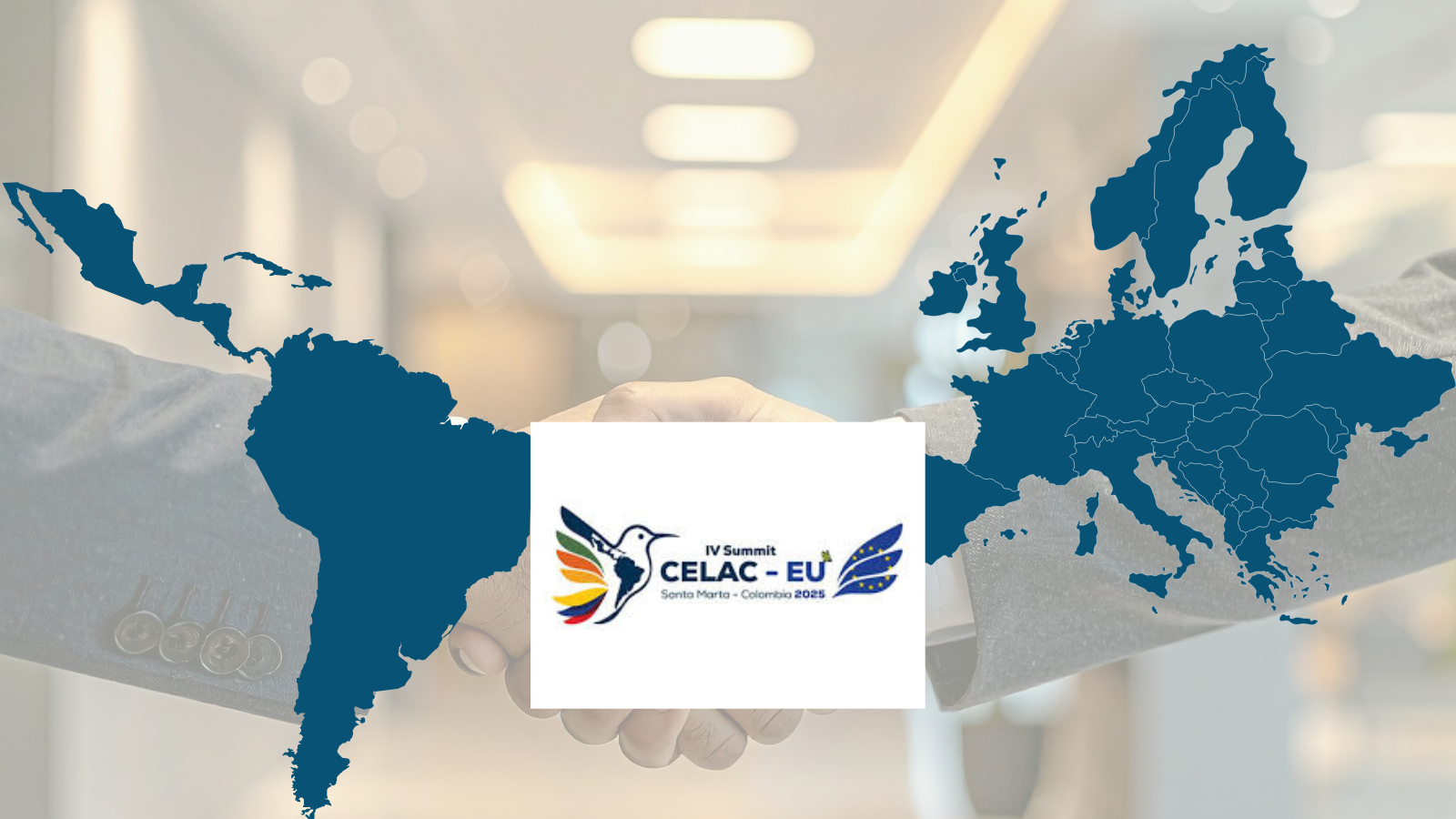
EU–CELAC Summit 2025: Will it give practical meaning to the Global Gateway?
Author’s Note: This article has been updated with new data from the Conference’s first week.
This year’s EU-CELAC Summit was emptied out both in political stature and attendance. This was explained in part by the event’s proximity in time with COP 30, which kicked off just a few days after the gathering in Santa Marta, Colombia. Most concerningly, the event had a low turnout due to fears among European leaders that increased cooperation with Latin American and Caribbean nations would provoke retaliation from U.S. president Donald Trump. Prominent figures such as the European Commission President Ursula von der Leyen, German chancellor Friedrich Merz, and Mexican president Claudia Sheinbaum were absent. As the curtain was coming down, leaders agreed - at least in part - on a 52-paragh joint declaration covering the reform of the international system, trade and investment, climate and environment, security, health, and other topics. U.S. allies such as Argentina, Costa Rica, and Ecuador shied away from paragraph 10 on mutual respect and compliance with international law on matters related to transnational organised crime and drug trafficking. Divergences were noted regarding the economic embargo on Cuba and the war in Gaza. No implementation roadmap was sketched - lingering questions remain on the execution of the Global Gateway Investments and strengthening bi-regional cooperation.
English version
On November 9th, just a few days before COP 30 kicks off, European leaders will already have crossed the Atlantic — but not yet to Belém. Instead, in Santa Marta, Colombia, they will join their counterparts from the Community of Latin American and Caribbean States for the EU-CELAC Summit 2025. The event will be co-chaired by the host country’s president, Gustavo Petro, who currently holds the CELAC pro-tempore presidency, and the President of the European Council, António Costa. Together, CELAC and the EU represent over one billion people, 14% of the world’s population, and roughly a quarter of global GDP.
This year, the leaders will take stock of progress on the 41-point declaration and roadmap signed between the regions at the previous summit in Belgium, 2023. The main goal of the upcoming summit is to strengthen and concretise bi-regional relations in trade, investment, and digital transitions. The climate and environmental agenda, as well as the fight against organised crime, are expected to gain prominence — given, respectively, the proximity of COP 30 and the rising tension in the Caribbean.
Since the last summit, cooperation has moved beyond paper commitments, with the EU’s launch of the Global Gateway Investment Agenda for Latin America and the Caribbean (GGIA), which promises €45 billion in investments in the region until 2027. Decisions about how much money will, in effect, be spent, and where, are likely to be clarified. The manner in which those choices will be made can offer an early indication of whether Global Gateway is becoming a vehicle for steady delivery rather than a catalogue of aspirations.
The question now is not whether the substantial €45 billion envelope is large enough on paper, but whether there is a path—administrative, financial and political—between an announcement and a project that can actually be built. The roadmap attached to the 2023 declaration laid out a strategic approach for follow-up through ministerial tracks and thematic initiatives, with an implicit test that announcements should be accompanied by preparation work, financing plans, and a timetable that parliaments could recognise. There are now agreements on digital cooperation, coordination on narcotics policy, and a framework for disaster-risk management.
And yet. Matters are not up to the two sides alone. One unavoidable context for the successful execution of their ambitions is the United States. The U.S. president’s belligerent stance towards Latin America has contributed to China’s growing presence in the region and the diversification of LAC trade partners. Given that the LAC region has long been claimed by the United States as its direct sphere of influence, the EU must be steadfast about its support for and cooperation with Latin American counterparts at risk of undermining the depth and reach of bi-regional cooperation. Shying away from taking a firm stance toward the U.S. — especially for fear of undermining Washington’s crucial support for Europe in the war in Ukraine - may jeopardize concrete efforts to operationalise the Global Gateway in Latin America. The odds, however, appear heavily stacked against this: EU leaders, including European Commission President Ursula von der Leyen, are skipping the summit for fear of retaliation from Trump. Meanwhile, the U.S. president’s withdrawal from major international agreements and organizations has hollowed out the political and moral leadership the U.S. once keenly displayed in an increasingly multipolar world. This year’s EU–CELAC Summit must be interpreted against the backdrop of global realignment, as states appear to be taking ambiguous actions in their efforts to assert themselves as relevant global powers.
Economically speaking, strengthening the ties between LAC and Europe could be mutually beneficial. When tariff measures tighten or domestic content rules become the tool of the month, diversification toward Europe becomes attractive, provided European regulation does not itself turn compliance into a toll booth. When the American cycle loosens, Europe competes on predictability, standards, and financing costs. Conversely, Europe aims to diversify its pool of suppliers of renewable energy and critical raw materials (CRM) sources, of which LAC countries are the main suppliers, given that those resources are the backbone of modern technologies and green energy transition.
The other gravitational pull is an expanded BRICS landscape, complete with alternative lenders and a different tempo on disbursement. Perhaps not accidentally given a closer understanding of the needs of all but the highest income countries, offers from that quarter can be quicker, require fewer conditions up front, and carry their own preferences on technology and data. Options make for interesting policy and politics. More pragmatically, procurement choice means governments will gravitate toward financing that closes their infrastructure gaps on timelines that meet the urgency of their needs. If European offers are to compete, the advantage will have to be the rule of law in contracts, the transparency of procurement, and the lower lifetime cost of capital, coupled with implementation that does not feel like an exam set abroad. Co-design matters here, as do clear, consistent rules that do not shift with each press conference.
On migration and security, periodic enforcement surges create human and political costs in Mexico, Central America and the Caribbean. The mixed record of both regions on violation of human rights in migration policy makes things awkward at home and abroad when it comes to calling out heavy-handed practices. Security adds a familiar coda: maritime deployments and counter-narcotics theatre are noticed, but the durable work to achieve durable gains tends to come from quieter work in ports, customs, and courts, in a manner that does not belie commitments to the UN Charter or the integrity of persons. For both Europe and CELAC, much remains to be done.
In the dossier, three files are likely to shape whether the next year brings progress or more complexity. The first is the intersection of sustainability rules and trade. There is broad support for enforcement and due diligence; the difficulty lies in staging these rules so that legitimate exports are not squeezed and small producers are not simply priced out. Practical measures include mapping risk by jurisdiction, agreeing common templates for traceability, and phasing enforcement with technical support rather than expecting capacity to appear by decree. The signal to watch is whether support is budgeted alongside enforcement and whether deadlines reflect what registries and auditors can bear.
The second file is the passage from negotiated trade texts to law. The agreements with Mercosur and with Mexico have become tests of credibility. The measure of success is in the alignment with national legislation, the clarity of enforcement, and utility of the dispute-settlement provisions for both business and trade unions.
The third file is security. The temptation to borrow a playbook from elsewhere is perennial; the better course in this geography is mutual intelligence. This is less dramatic than cruisers on the horizon, and, as experience shows, often more effective.
Both regions have their own tightropes to walk. Both need to ensure that industrial policy does not quietly harden into protectionism, implement sustainability rules without allowing them to become de facto trade barriers, preserve policy space at home, balance the demands of their various priority sectors, and work with multiple sources of finance without lowering governance standards.
If one wishes to look a year ahead, the key marker that will tell the story of success will be conversion: the share of Global Gateway announcements that move to firm commitments and then to disbursement, and the time that takes. The value of this summit will lie less in rhetorical rediscovery than in operational clarity: how sustainability rules are implemented in practice, how trade texts are rendered ratifiable, and how security cooperation is designed so that sovereignty is observed rather than merely invoked. If the next twelve months bring visible progress on those fronts, Global Gateway will have been successfully transformed into a working instrument. And the bilateral partnership can fly safely under the radar.
Portuguese version
A Cúpula União Europeia - CELAC 2025 será capaz de tornar concretos os objetivos do Global Gateway?
No dia 9 de novembro, um pouco antes do início da COP 30, líderes europeus já terão cruzado o Atlântico - mas o destino ainda não será Belém. Em vez disso, as autoridades se reunirão em Santa Marta, na Colômbia, junto às lideranças dos países que compõem a Comunidade de Estados Latino Americanos e Caribenhos (CELAC) para o encontro da União Europeia - CELAC 2025. Os dois anfitriões do evento serão o presidente da Colômbia e atual presidente pro-tempore da CELAC, António Costa. Juntos, os dois blocos representam mais de um bilhão de pessoas, 14% da população mundial e cerca de um quarto do PIB global.
Neste ano, os líderes vão avaliar o progresso da declaração e do plano de ação de 41 pontos assinados entre as regiões na última cúpula, realizada em 2023, na Bélgica. Dentre os principais objetivos da cúpula desse ano estão o fortalecimento e concretização das relações biregionais nas áreas de comércio, investimento e transição digital. As agendas de clima e meio ambiente, além de crime organizado, também devem ganhar relevância - considerando, respectivamente, a proximidade da COP 30 e a tensão crescente no Caribe.
Desde a última cúpula, a cooperação biregional deu passos significativos, sendo um dos mais importantes o lançamento, pela União Europeia, da Agenda de Investimento Global Gateway para a América Latina e Caribe, que promete investimentos de até 45 bilhões de euros na região até 2027. As decisões sobre quanto desse dinheiro será, de fato, investido, e onde, devem ser tomadas ao longo da próxima cúpula. A maneira como essas decisões serão feitas pode oferecer um indício antecipado de se o Global Gateway se tornará um instrumento de execução consistente, e não apenas um catálogo de aspirações.
A questão agora não é se o montante considerável de 45 milhões de euros é grande o suficiente no papel, mas se existe um caminho - administrativo, financeiro e político - entre esse anúncio e os projetos que podem ser construídos a partir dele. O plano de ação delineou uma abordagem estratégica de acompanhamento através de iniciativas temáticas e canais ministeriais, com um critério implícito de que anúncios devem ser acompanhados de trabalhos preparatórios, planejamento financeiro e um cronograma que os parlamentos possam reconhecer. Até o momento, foram estabelecidos acordos nas áreas de cooperação digital, coordenação de políticas de combate a entorpecentes e um marco para a gestão de riscos de desastres.
Apesar desse avanços, a cooperação efetiva não depende apenas dos dois blocos. Um contexto inegável para a concretização bem sucedida das ambições anunciadas pela União Europeia e a CELAC é a influência dos Estados Unidos no contexto geopolítico. A postura agressiva do presidente dos EUA, Donald Trump, em relação à América Latina, vem contribuindo para uma presença ainda maior da China na região e um fortalecimento da diversificação dos parceiros comerciais da América Latina. Dado que a região tem sido historicamente reividicada como uma área de influência direta dos EUA, a União Europeia precisa manter firme seu apoio e cooperação com os parceiros latinoamericanos, sob o risco de comprometer a profundidade e o alcance da cooperação bi-regional. Evitar adotar uma postura firme em relação aos Estados Unidos - especialmente por medo de comprometer o apoio fundamental de Washington à Europa na guerra na Ucrânia - pode ameaçar os esforços concretos de colocar em prática o Global Gateway na América Latina. Na prática, as probabilidades parecem desfavoráveis a isso: líderes europeus, incluindo a presidente da Comissão Europeia, Ursula von der Leyen, não participarão do evento em Santa Marta por medo de retaliação de Trump. Ao mesmo tempo, a decisão do presidente norte-americano de retirar seu país dos maiores acordos e organizações internacionais para cooperação multilateral esvaziou o espaço de liderança política e moral que os EUA há anos tentavam ocupar no mundo multipolar. A Cúpula UE-CELAC deste ano deve ser analisada, portanto, à luz da reconfiguração geopolítica global, à medida que os Estados tomam decisões ambíguas no esforço de se projetarem como lideranças globais relevantes.
Em matéria de economia, o fortalecimento dos laços entre a América Latina e a Europa pode trazer vantagens para ambos. Quando as medidas tarifárias se tornam mais rígidas ou regras de conteúdo local passam a ser o instrumento da vez, diversificação em direção à Europa se torna mais atraente - desde que que a regulamentação europeia não transforme a conformidade em uma espécie de pedágio. Quando o clico econômico americano se afrouxa, a Europa compete em previsibilidade, padrões e custos de financiamento. Por outro lado, a Europa se beneficiaria de maior cooperação uma vez que deseja diversificar seus fornecedores de energia renovável e de fontes de matérias-primas críticas, dos quais a América Latina é um dos principais provedores, considerando que esses recursos são a espinha dorsal das tecnologias modernas e da transição para a energia verde.
Uma outra força gravitacional importante é a presença cada vez mais ativa dos BRICS, que inclui credores alternativos e um ritmo diferente nas liberações de recursos. Talvez não por acaso, dada a compreensão mais próxima das necessidades de todos, exceto dos países de maior renda, as ofertas desse grupo podem ser mais rápidas, com menos condições iniciais e incorporando suas próprias preferências em tecnologia e dados. Essas opções tornam a formulação de políticas e a política internacional mais interessantes. Mais pragmaticamente, a possibilidade de escolha em licitações faz com que os governos se inclinem por financiamentos que fechem suas lacunas de infraestrutura dentro de prazos compatíveis com as urgências de suas necessidades. Para que a oferta dos europeus possam competir, sua vantagem deverá residir na segurança jurídica contratos, na transparência das licitações e no menor custo total de capital ao longo do tempo - aliados a uma execução que não pareça um exame aplicado do exterior. O desenho conjunto da execução do Global Gateway é importante aqui, assim como regras consistentes e transparentes, que não mudem a cada conferência de imprensa.
Em relação à migração e segurança, a imposição periódica de uma fiscalização mais dura gera custos humanos e políticos no México, América Central e Caribe. O histórico controverso das duas regiões quanto às violações de direitos humanos nas políticas de migratórias torna a situação constrangedora, tanto no plano doméstico quanto no internacional, quando se trata de criticar práticas abusivas. A temática de segurança volta como um tema recorrente: deslocamentos marítimos e operações de combate ao narcotráfico chamam atenção, mas o trabalho duradouro para atingir ganhos sustentáveis vem de esforços discretos em portos, alfândegas e tribunais - de maneira que não contradiga compromissos com a Carta da ONU ou a integridade das pessoas. Tanto para a Europa quanto para a CELAC, ainda há muito o que ser feito.
No dossiê, três eixos provavelmente determinarão se o próximo ano trará avanços ou maior complexidade. O primeiro é a intersecção entre regras de sustentabilidade e comércio. Há apoio amplo à aplicação e à devida diligência; a dificuldade está em organizar essas regras de modo que exportações legítimas não sejam sufocadas e os pequenos produtores não sejam simplesmente excluídos pelos custos. Medidas práticas incluem o mapeamento de riscos por jurisdição, o estabelecimento de modelos comuns de rastreabilidade e a implementação gradual da fiscalização com apoio técnico a- em vez de esperar que a capacidade apareça com um simples decreto. O sinal a ser observado é se o apoio orçamentário acompanha a aplicação das regras e se os prazos refletem o que registros e auditores conseguem suportar.
O segundo eixo é a passagem dos textos da negociação comercial para a legislação. Os acordos com o Mercosul e com o Mexico se tornaram testes de credibilidade. A medida de sucesso será o alinhamento com a legislação nacional, pela clareza na aplicação e pela utilidade das disposições de solução de controvérsias tanto para empresas quanto para sindicatos.
O terceiro eixo é a segurança. A tentação de copiar modelos de outra região é recorrente. A melhor abordagem, nesse contexto geográfico, é a inteligência mútua. Isso é menos dramático do que navios de guerra no horizonte e, como mostra a experiência, mais efetivo.
Ambas regiões têm suas próprias cordas bambas para equilibrar. Precisam garantir que a política industrial não se transforme silenciosamente em protecionismo, implementar regras de sustentabilidade sem que se tornem barreiras comerciais de fato, preservar espaço de política interna, equilibrar as demandas de seus diversos setores prioritários e trabalhar com múltiplas fontes de financiamento sem diminuir os padrões de governança.
Se quisermos olhar um ano à frente, o principal indicador do sucesso será conversão: a proporção de anúncios do Global Gateway que se transformaram em compromissos firmes e, depois, em desembolsos - e o tempo que isso leva. O valor dessa cúpula estará menos na retórica de redescoberta e mais na clareza operacional: como as regras de sustentabilidade são aplicadas na prática, como os textos comerciais se tornam ratificáveis e como a cooperação em segurança é estruturada de modo que a soberania seja respeitada, e não apenas invocada. Se os próximos doze meses trouxerem avanços visíveis nessas frentes, o Global Gateway terá sido transformado com sucesso em um instrumento funcional - e a parceria bilateral poderá seguir com segurança abaixo do radar.
References
https://latinoamerica21.com/pt-br/as-cupulas-entre-ue-e-celac-sao-absoletas/
European Parliamentary Research Service, 2025. EU–CELAC Relations ahead of the 2025 Summit. Briefing, EPRS BRI(2025)772884. Brussels: European Parliament. Available at: https://www.europarl.europa.eu/RegData/etudes/BRIE/2025/772884/EPRS_BRI(2025)772884_EN.pdf [Accessed 29 Oct. 2025].
CNN Brasil, 2025. ‘CELAC expressa “profunda preocupação” com envio de navios dos EUA ao Caribe’, CNN Brasil, 6 Sept. [online]. Available at: https://www.cnnbrasil.com.br/internacional/celac-expressa-profunda-preocupacao-com-envio-de-navios-dos-eua-ao-caribe/ [Accessed 29 Oct. 2025].
Financial Times. (2025, November 4). EU leaders to skip summit in Colombia after Trump sanctions. Financial Times. https://www.ft.com/content/8214c4ae-111d-407b-bc1b-b428accf930e
Politico, 2025. ‘EU-Mercosur deal: Latin America trade deal with Brazil, Uruguay’, Politico.eu, [online article]. Available at: https://www.politico.eu/article/eu-mercosur-deal-latin-america-commission-trade-deal-brazil-uruguay/ [Accessed 29 Oct. 2025].
Zilli, R., 2025. Memo to Ursula von der Leyen and António Costa: Make the Right Priorities for the EU-CELAC Summit 2025. Policy Brief No. 17/2025. Brussels: European Centre for International Political Economy (ECIPE). Available at: https://ecipe.org/publications/memo-the-eu-celac-summit-2025/ [Accessed 29 Oct. 2025].
The Real Work Begins for the Pandemic Agreement’s PABS Annex
In May 2025, the corks popped for what was billed as a “landmark” Pandemic Agreement. But as any family elder will tell you, the vows are the easy part. The real test is the annex—specifically the Pathogen Access and Benefit Sharing (PABS) mechanism—which now decides whether this global health marriage of the century makes it to its first anniversary. The cynics are taking bets.
We at Policy/Strategy Group are choosing the less gossipy, more matrimonial line. Think marriage brokerage, not scandal sheet. Our Academy's October briefing stripped the issue to its working parts and the picture was, frankly, unforgiving. The timetable is merciless: informal huddles in early October; text on the table for the Intergovernmental Working Group (IGWG) from 3–7 November; and a version watertight enough for the World Health Assembly by May 2026. That is a sprint, upwind, in heels.
As Alegnta Gebreyesus Guntie of Ethiopia’s Mission in Geneva put it, the margin for error is thin: “We are less than six months away from submitting the outcome of these negotiations… There is no treaty if we don’t get this right.” That is not diplomatic embroidery; it’s a structural warning. So what is everyone actually fighting over? On paper, tame nouns: scope, triggers, benefits, governance. In practice, each of those nouns behaves like a transitive verb—doing things to people and systems.
Scope. Sounds harmless until you try to define “pathogen of pandemic potential,” decide how far genetic sequence data (GSD) runs, and who, exactly, gets to be custodian of which databases. Those choices will not stay in Geneva; they will land on the desks of national regulators, on the benches of reference labs, and in the memories of countries that feel they have been burned before.
Triggers. This is about timing, which is to say power. Who can switch obligations on? Must the machinery wait for all formalities to clear, or should a more forward-leaning, public-interest instinct prevail? That distinction is the difference between immediate supply in an emergency and contractual trench warfare that eventually drags in lawyers and courts.
Benefit sharing. Here principle meets the production line. Current drafts imagine manufacturers setting aside 10% of output free and 10% at “affordable” prices in an emergency. That reads like a press release; it lives like a spreadsheet. It means capacity assumptions, logistics planning, dual-track pricing, and clauses in MTAs and APAs drafted before the sirens sound. Around the money sits the muscle—technology transfer, training, capacity building. Done well, that creates new partnerships; done badly, it exposes hollow ones.
Governance. This is the plumbing: who watches, who enforces, who gets to say “no.” How do WHO, Africa CDC and regional organisations divide labour in a way that adds teeth rather than paperwork? Here our faculty member, Dr Ebere Okereke, offered two sharp admonitions. First, urgency: “If we wait until May before we start preparing, that boat will have sailed. The time to act is now.” Second, representation: “Too often, expertise is assumed to sit in the global North. We need to make sure our African experts are accredited and in the room.” Governance without the right people in the room is theatre.
What made the October conversation useful was that it climbed out of committee language and asked, bluntly, how this lands on implementers.
- For policymakers there is dull-but-decisive homework: align domestic law with whatever definitions and triggers emerge; designate competent authorities and focal points; budget for the data- and material-sharing chores that make the elegant Geneva text actually work.
- For manufacturers and supply-chain actors, the 10%+10% set-aside is not theory. It reshapes contract templates, ring-fencing of supply, and how technology transfer is staffed and sequenced—especially across multiple jurisdictions with different export, IP and security rules.
It is tempting to park all this under “multilateral complexity” and wait for the final text. That would be a mistake. PABS is not just about solidarity; it is about industrial positioning and health security.
Definitions—and who controls them—will tilt advantage toward certain geographies, reference labs and data hubs. Set-asides will decide who experiences scarcity, and when. (We all remember COVID.) The direction of travel is already clear enough to act on. Public and private actors alike should now:
- map likely obligations on data, benefits and supply against their current contracts and budgets;
- start pre-drafting the clauses they will need when the switch is flipped;
- stress-test capacity and supply assumptions against a scenario in which the trigger is early, not late.
Do not underestimate the politics. In a multipolar world, every one of those steps—data provision, benefit allocation, manufacturing priority—will be read through a geopolitical lens. The annex work is a reminder of an old truth: implementation is where values either harden into practice or crumble into recrimination.
Which brings us back to the clock.
What’s next
Text-based negotiations run 3–7 November. On 11 November we will publish a clear, fast readout—what changed in the draft, what it means for governments, the private sector and civil society, and what concrete first steps need to start immediately.
Join the 11 Nov readout & implications session – register here.

What’s at Stake in WHO Pandemic Agreement Negotiations
The IGWG’s responsibilities include preparing the future Conference of the Parties, drafting the terms of reference for a Coordinating Financial Mechanism, and defining the structure and function of the proposed Global Supply Chain and Logistics (GSCL) network. The biggest task ahead, however, is completing the Pathogen Access and Benefit-Sharing (PABS) Annex (Article 12 of the Agreement).
Designated as the IGWG’s priority item, PABS is described as one of the most complex and contentious components of the Agreement. As one African Group statement put it, Article 12 is the “backbone” of the entire instrument.
The outcomes of these negotiations will be decisive in determining whether the Agreement’s equity commitments can be translated into practical outcomes or remain aspirational.
Key Issues on the Table
To meet the timeline for adoption of the Annex at the 79th World Health Assembly in May 2026, IGWG members must navigate several technical issues. The current Agreement leaves significant work ahead to turn key elements into workable provisions, including:
- defining scope (clarifying what qualifies as a “pathogen with pandemic potential”);
- obligations of industry (determining how binding and broad commitments from “participating manufacturers” should be);
- benefit-sharing mechanisms (deciding what constitutes fair benefit-sharing, not only in terms of equitable product distribution, but also potentially capacity-building, technology transfer, or licensing, among others);
- data and sample traceability (designing systems to trace not only physical samples but also digital sequence data)
These technical issues are not only complex but also politically and technically contentious.
A Test of Unity
One of the key challenges heading into the IGWG is political unity, or the lack of it. Taking traceability as an example, during the INB negotiations, most progressive countries supported including traceability as a core principle, while several high-income countries opposed it. More notably, some African delegates later aligned with an EU proposal that excluded traceability altogether, indicating cracks within previously unified blocs.
Such fragmentation could undermine the leverage that progressive countries, particularly those within the African Group and Equity Group, have built. A recent study shows that coordinated Global South positions during the INB process led to concrete progress on issues like technology transfer and the initial framing of PABS. These collective efforts also have not prevented countries from pursuing national priorities while upholding a shared commitment to equity and solidarity.
Coordinating under a Tight Timeline
To maximise influence, progressive countries will need to remain coordinated. Regional and South-South cooperation platforms should be activated to propose a unified negotiating text and reinforce shared red lines and priorities.
Reaching consensus on technical issues will be challenging, particularly given the IGWG’s tight timeline. Countries should therefore mobilise internal consultations and plan for mid-negotiation coordination and preparatory meetings, for example, on the sidelines of official events such as WHO regional committees.
What Comes Next
The immediate next step is for countries to submit their proposals for the PABS Annex by 10 August. An informal IGWG meeting is planned for 12 September, followed by a formal session from 15-19 September.
The months ahead will be pivotal. The IGWG’s work on the PABS Annex will test not only political will but also countries’ capacity to compromise on technically sound and practical provisions under a tight schedule. In this phase, the engagement of legal and policy experts will be critical to translating principles into operational commitments.
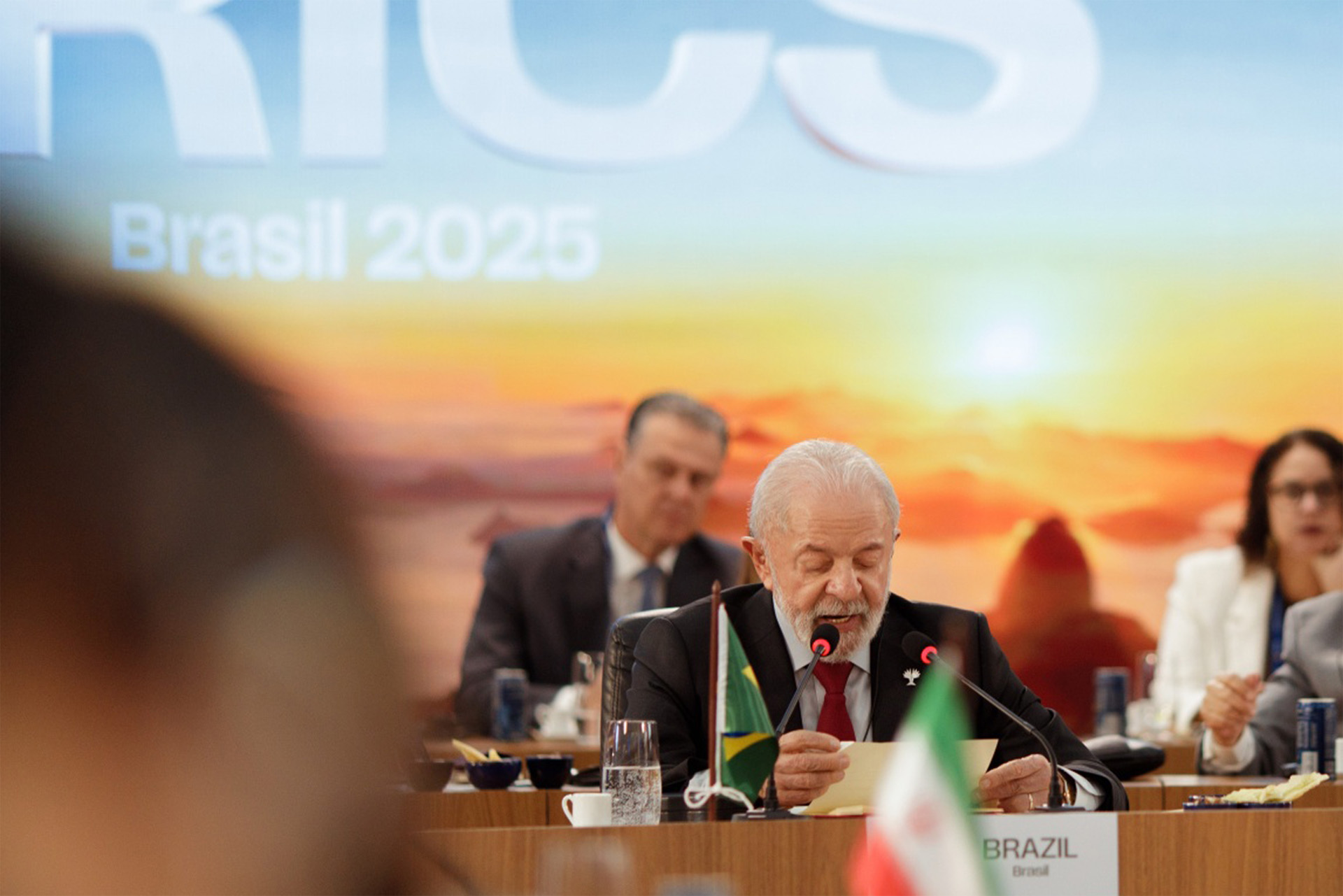
BRICS Summit Signals New Shifts in Global Governance
This weekend, BRICS leaders will gather to discuss this year’s summit theme, ‘Strengthening Global South Cooperation for More Inclusive and Sustainable Governance’. While blue skies are expected in Rio de Janeiro’s ever-sunny, 30-degree Celsius winter, a dark cloud hangs over the bloc’s negotiators behind closed doors.
The geopolitical outlook is stark, and may well make for uncomfortable tension in the meeting room: Russian President Putin will be joining online, as he cannot set foot in a country bound by the ICC without risking arrest 1; the conflict in the Gulf has countries taking sides, with strong statements from some bloc members like Brazil decrying unprovoked hostilities on the part of Israel, while India and Ethiopia have taken a more cautious stance, choosing not to point fingers at either Israel or the U.S. 2; discussions on trade and investment, one of this year’s priority themes, are unfolding against the backdrop of US President Trump’s blanket tariffs on the majority of the world (and most BRICS members) and direct threats of retaliation should BRICS members move forward with creating their own currency for international transactions 3.
There’s no crystal-clear prediction for how negotiations will unfold: on one hand, optimistic observers view the summit as a rare opportunity for geopolitically strategic countries to take the lead in reshaping - or even rebuilding - multilateralism 4. One thing is certain: while the world order as we knew it in the early 2000s is long gone, this is not the end of multilateralism altogether. Washington should not be the default power that states turn to in order to resolve their disputes bilaterally, as we saw during the escalation of tensions in the Middle East. The interconnected crises we are facing demand a shared, coordinated response, as threats know no borders. A strong bloc, composed of major powers willing to roll up their sleeves and propose an effective roadmap that prioritises democracy and equality over the unchecked imperial power of a few, is essential to revive meaningful hopes for multilateralism
Sceptics, on the other hand, argue that the bloc’s ability to move beyond rhetoric is seriously limited by internal divisions and the challenges of reaching consensus in an increasingly diverse forum 5. The group’s list of partner nations is nearly as long as its current cohort of member states. Bolivia, Kazakhstan, Cuba, Malaysia, Nigeria, Thailand, Uganda, Uzbekistan, and more recently Vietnam, are affiliated with BRICS in an observer role due to their purportedly shared vision of the global order. However, with some struggling to enforce the rule of law and uphold human rights, and others hesitant to support a green transition in sensitive industries, moving forward as a cohesive unit may be more difficult than ever 6.
An outlook on world politics in the lead up to the BRICS Summit
The BRICS Summit is organised around two distinct phases. Between the 30th of June and the 4th of July, the bloc's high-level envoys leading the negotiations, the sherpas, will convene to craft a common declaration on three topics: climate financing, socially determined diseases, and artificial intelligence governance. During the Leaders' Summit, taking place from the 6th to the 7th of July, the leaders of all 11 nations represented by the bloc, which includes Brazil, Russia, India, China, South Africa, Saudi Arabia, Egypt, UAE, Ethiopia, Indonesia, and Iran will convene in South America for the first time since seismic changes disrupted an already decaying world order. On this occasion, they will commit to the declarations previously drafted by the sherpas.
In the contemporary era of polycrisis, the climate emergency exacerbates economic instability, which in turn increases the likelihood of democratic erosion, leading to political instability. All BRICS countries face, to different degrees and extents, these interconnected crises, which can only be addressed through strong international coordination. The crumbling international order’s former great powers are discredited for lacking the authority to lead the way forward. The so-called Global North is fractured between an isolationist America and a generally globalist Europe. Once joint protagonists of the international system, these nations - and the institutions they shaped in their image and likeness – are now viewed with dismay by much of the world, who have borne the brunt of austerity measures and the financialisation of life imposed by the Bretton Woods architecture. In this vacuum, coalitions from the Global South are gaining momentum to lead the way forward, fostering alternative coordination among themselves to counter systemic imbalances.
Groupings aiming to offer an alternative to the G7’s political and economic influence are neither new nor rare in international relations. What sets the BRICS+ bloc apart is that it is too big of an elephant in the room to ignore 7: it comprises 48% of the world’s population and represents 36% of the world’s surface.. IMF data show the group is surpassing the developed G7 economies in relevance, representing 40% of the global economy, compared to 28% for the EU and North America combined. Additionally, BRICS+ economies account for a significant 24% of global trade, and while most countries endure stagnation or economic decline, all BRICS economies have grown in recent years, with rates ranging from 1.1% to 6.6%. In regard to natural resources, fundamental for industrialisation and energy production, the figures are equally impressive: BRICS members possess 72% of the world's reserves of rare earth minerals, 43.6% of global oil, 35% of global natural gas and outstanding 78.2% of global hard coal production. The material, intellectual, cultural, and political resources BRICS countries can leverage attest for their growing relevance in pushing for a new world order.
What’s on the agenda?
Under the Brazilian presidency, six priority themes are on the agenda: global health, trade and investment, climate change, artificial intelligence governance, multilateralism architecture for peace and secure, and strengthening the BRICS institutional framework. Widely recognised for its health governance, Brazil has pushed for the prioritisation of the social determinants of health as a key issue.
The Brazilian National Health System (SUS) is a flagship initiative that has played an important role in promoting and democratising access to free health care even in the most remote areas of the country’s vast territory. In this vein, the country's diplomacy is working to highlight how poverty, inequity, and race and gender disparities exacerbate poor health outcomes for marginalised populations. A global agreement to eliminate socially determined diseases is the most likely outcome of the conference, and strengthening R&D and vaccine manufacturing within the group is paramount to this effort.
Another aspect afforded central relevance in Brazil-led health discussions is global health governance - specifically, how to ensure that data is ethically collected and responsibly shared among members to enable medical advancement while countering the putative greed of Big Pharma at the expense of the public good. As nations discuss the PABS annex of the Pandemic Treaty, which calls for shared responsibilities and timely and equitable distribution of benefits, having such a strong Global South may signal that the relentless pursuit of profit by developed nations could face coordinated resistance from BRICS, in line with the bloc’s commitment to, put simply, ensure that those who cannot pay, still have equal access to treatment and care, and the protection of their right to health.
Regarding efforts to advance a practical agenda for multilateral architecture, there are high expectations that Brazil and India will reaffirm their pledge to seek permanent seats on the UN Security Council. However, other countries within the bloc - those that do not envision such a post - may hold opposing views that question the very existence of this “world police”. Also, while China joins Brazil in calling for reforms to the IMF, it remains resistant to the addition of either Brazil or India to the UN Security Council - highlighting once again the limitations and inconsistencies in the scope of institutional reforms each BRICS member is truly willing to support 8.
On trade and investment, BRICS’ main institutional achievement, the New Development Bank - originally created as an alternative to the World Bank - is expected to be followed by other innovations in global governance. First, de-dollarisation may return to the table. With Mr. President Trump’s volatility and unpredictability threatening confidence in the dollar and stock markets, BRICS members are likely to resume conversations about conducting transactions in a common, hassle-free (or at least hassle-reduced) currency. Russia, currently excluded from the SWIFT transaction system, is expected to push this agenda more forcefully. Second, the creation of a BRICS grain exchange platform is much awaited by those who believe in the more revolutionary aspect of the group. It aims to facilitate transactions among producers, exporters, and importers, ensuring food security amid the climate crisis. The possibility of establishing a BRICS Reserve Bank to play a role like that of the IMF has also surfaced in recent meetings, although it remains under discussion among the group’s members.
Conclusion
Back in 2011, the creation of BRICS was seen as a groundbreaking counterweight to the G7 and other Western-led groupings for it represented Global South aspirations. Twenty years later, the bloc has taken baby steps toward revolutionising the global order and its structures—but it has played an important role in reshaping some of them. The outcomes of the Leaders’ Summit, member countries’ willingness to be “active and assertive,” in the words of former Brazilian Foreign Minister Celso Amorim, may indeed shape how economies and societies are organised in the years ahead—especially if they push harder for genuine multilateral reforms and more democratic global institution.
References
- Dickinson, P. (2024, July 1). Putin cannot attend BRICS summit in Brazil as he fears arrest for war crimes. Atlantic Council. https://www.atlanticcouncil.org/blogs/ukrainealert/putin-cannot-attend-brics-summit-in-brazil-as-he-fears-arrest-for-war-crimes/
- Armijo, L. E. (2025, July 1). Brazil’s BRICS agenda may be hard to accomplish after Iran-Israel war. Chatham House. https://www.chathamhouse.org/2025/07/brazils-brics-agenda-may-be-hard-accomplish-after-iran-israel-war
- Reuters. (2025, January 31). Trump repeats tariffs threat to dissuade BRICS nations from replacing US dollar. https://www.reuters.com/markets/currencies/trump-repeats-tariffs-threat-dissuade-brics-nations-replacing-us-dollar-2025-01-31/
- Camargo, R. C. (2024). A importância da participação brasileira no BRICS: Uma análise de política externa. Revista CEBRI, 7(2), 74–89. https://cebri-revista.emnuvens.com.br/revista/article/view/256/386
- Ribeiro, D. (2023, julho 10). Ampliar o Brics não é bom para o Brasil, diz analista político. O Globo. https://oglobo.globo.com/mundo/noticia/2023/07/10/ampliar-o-brics-nao-e-bom-para-o-brasil-diz-analista-politico.ghtml
- Carnegie Endowment for International Peace. (2025, March). BRICS expansion and the future of world order: Perspectives from member states, partners, and aspirants. https://carnegieendowment.org/research/2025/03/brics-expansion-and-the-future-of-world-order-perspectives-from-member-states-partners-and-aspirants?lang=en
- BRICS. (n.d.). Dados sobre o BRICS. BRICS Brasil. https://brics.br/pt-br/sobre-o-brics/dados-sobre-o-brics
- Stuenkel, O. (2019). Rising powers and global governance: Dissecting the dynamics between Brazil and China. CEBRI. https://cebri.org/revista/en/artigo/34/rising-powers-and-global-governance-dissecting-the-dynamics-between-brazil-and-china

Why Must We Discuss Care Work To Achieve The SDGs?
In the wake of the Fourth International Conference on Financing for Development, care work remains as a siloed discussion among feminist groups.
From 30 June to 3 July, world leaders gathered in Seville for the Fourth International Conference on Financing for Development (FfD4), at a time when mounting evidence made it crystal clear: there is no such thing as sustainable development when half the world’s population shoulder unsustainable paid and unpaid work burdens. The evidence of economic self-sabotage is stark: unpaid care work represents 9% of global GDP ($11 trillion), with women contributing 6.6% compared to men's 2.4% 1. The cost of wilful blindness is not only felt in economic indicators, but most and foremost in the embodied experiences of women and racialised people, who bear the brunt of care services with little to no recognition.
With less than five years to achieve the 2030 Agenda for Sustainable Development, the world remains dangerously off-track on SDG 5 (Gender Equality) and SDG 8 (Decent Work and Economic Growth). At the glacial pace we are moving, the gender gap in unpaid work will not have closed until 2228 2 - a trajectory that reveals not just policy neglect, but potentially wilful economic self-sabotage.
What is care work – and why should you care about it?
In public policy, the concept of care is often used across sectors to describe different ways of supporting one's wellbeing. Here, care work describes all direct and indirect, paid and unpaid activities performed so that human beings have their basic physical and mental needs met, contributing to their capability development, comfort and safety 3. The unequal social distribution of care, both in terms of who performs care activities and who gets to be cared for, calls for the state’s regulation to ensure it is provided in compliance with quality standards, recognised as a need and a right and redistributed between social actors 4.
Although care work is not considered in economic development indicators, it is a social good that sustains and reproduces society, therefore underpinning all development progress. Those mundane activities such as cooking and cleaning, often seen as unproductive, set the conditions that make it possible for one to be involved in income-generating, productive work 5. Worldwide, women perform over three quarters of unpaid care work, amounting to 12.5 billion hours of work everyday. If all this labour were financially compensated, it would have added US$10.9 trillion to the global economy in 2020 alone, more than double the contribution of the technology industry that year (US$5.2 trillion) 6.
Inattention to care work widens gender, racial and socioeconomic disparities within countries. When states fail in providing care services and infrastructure, women are more likely than men to work in flexible, lower-paid positions to conciliate paid work and unpaid caregiving activities, ultimately giving up on pursuing a full-time, paid position in the labour market if the salary earned does not offset the costs of purchasing care services in the market 7.
No less troubling, the unmet need for care services intensifies inequalities between countries. Put simply: when states are indebted and take out loans to repay what they owe, it usually comes at the expense of internal budget cuts on the borrowing side. Those cuts disrupt life-sustaining systems such as health and education, increasing women’s workload, since they are the most likely to accumulate lower paid, hazardous, and part time positions on top of their care responsibilities. While these capital flows may seem abstract and often algorithmic, their impact on women's lives is concrete and embodied. In a hollowed-out state, disenfranchised women are forced into debt simply to maintain a subsistence-level existence 8. Since Global South countries are the primary borrowers, and Global North countries control the financial institutions that decide who gets to borrow and under what conditions, the precarisation of life in the former, coupled with a crisis in care, exacerbates inequalities between the two.
From all talk to concrete action in the aftermath of FfD4
If a state’s priorities are reflected in how much money it allocates to tackle certain issues, the figures indicate that no government has gender equality as a genuine priority. The funding picture is grim: while 97% of total cross-border giving for gender equality in developing countries comes from private foundations, bilateral funding, already negligible in comparison to the budgets of major donors, is expected to shrink even further next year, with $17.2 billion announced in aid cuts. When governments can mobilize trillions for financial bailouts but claim insufficient resources for childcare and elder care, the priorities become clear 9. The $300 billion climate finance agreement at COP29 - widely criticized as inadequate - still dwarfs most countries' care economy investments 10. At the FfD4, an air levy coalition was proposed, to underwrite the provision of oxygen in 8 countries. This is an internationally agreed initiative, implemented at the national level, where states collect a small tax on every airline ticket sold and direct the revenue toward underfunded areas like global health and education. These solidarity levies offer a promising path for financing the care crisis. Crucially, care itself must be recognised and prioritised as one of these sensitive areas deserving of public investment.
Although it represents trillions of dollars and underpins all social and economic development, care work is often written off - or dimmed - in forums like the FfD4 because it is viewed as a “women’s issue.” As such, the discussion is minimised and confined to women’s and feminist gatherings, rather than included in the arenas where the ‘real talk’ of hard politics takes place. However, when countries knowingly implement policies that shrink their productive workforce, increase healthcare costs, and perpetuate cycles of poverty, it raises the question: are these outcomes bugs or features of current economic models? As the FfD4 draws to a close, we must confront the gender gap in care work for what it truly is: an act of deliberate economic self-harm that traps women and other marginalised groups in poverty and indebtedness, ultimately undermining broader social and economic development 11.
As leaders hop on the airplane in Sevilla back to their countries, policymakers and development practitioners must be firm in advocating for:
At the national level:
- Increased fiscal space for funding gender equality: Governments make money by collecting taxes, which is a stable source of revenue for financing public goods and services. Evidence shows that increasing progressive taxation (ensuring people who earn more pay more in taxes) and direct taxation (collecting taxes from people’s incomes and wealth instead of taxing consumption) could alleviate both income and wealth inequality while raising more revenue for public spending.
- Earmarked resources for gender mainstreaming in public policy: Fiscal policy is not neutral, since it not only reflects political decisions and priorities, but also impacts men and women differently. Policymakers must allocate resources to evidence-based policies and programmes to champion gender equality.
- Recognise, reduce, and redistribute unpaid care work: Public kitchens, laundries, full-time childcare and education services, extended paid parental leave, and gender-sensitive policies to improve work-life balance must be put in place to ease the burden of care on families. Care policies must be intersectional in nature, addressing not only gender disparities but also racial and socioeconomic inequalities in who provides care and who receives it throughout life.
At the international level:
- Strengthen international cooperation to prevent tax avoidance and evasion and curb illicit money flows: It is past time for increased collaboration with financial institutions to prevent money laundering and corruption. Besides, improving systems to tax the wealth of high-net-worth individuals, as the air levies will do, and the profits of large multinational companies will ensure taxation is applied more fairly and consistently across countries, creating fiscal space for financing development. Governments should also consider increasing the global minimum tax, currently agreed at 15% under the OECD's Pillar Two, disincentivising countries to shift profits to tax havens with ultra-low rates.
- Include care in development financing agendas: By pushing for concerted tax reform across countries and increased surveillance systems to curb tax avoidance and evasion, countries are better positioned to finance care infrastructure and value unpaid work at the international and national levels.
- Make financing discussions more inclusive: Democratise participation in forums such as the FfD4, ensuring civil society participation. Facilitate discussions in accessible language, rather than resorting to technical economic jargon that alienates people from real-life, embodied consequences of political and economic decisions.
Conclusion
Policy priorities are reflected in state budget allocations, and it is past time for governments to direct funds toward gender-sensitive policies that ensure socioeconomic development for all. All in all, fiscal policy is not a metaphysical technical discussion, but primarily a political decision with real, embodied manifestations, that exacerbates inequality based on gender and race. To overcome this, there are avenues worth exploring: ensuring tax justice, improving mechanisms for international financial cooperation, and renegotiating foreign debt are some of the options on the table that must be seriously discussed if countries are to move beyond aspiration and arrive at a concrete, action-oriented roadmap.
References
- APEC. (2022, March). Unpaid care and domestic work: Counting the costs. Asia-Pacific Economic Cooperation. https://www.apec.org/publications/2022/03/unpaid-care-and-domestic-work-counting-the-costs
- International Labour Organization. (2018). Care work and care jobs for the future of decent work. https://www.ilo.org/sites/default/files/wcmsp5/groups/public/@dgreports/@dcomm/@publ/documents/publication/wcms_674831.pdf
- ILO. (2018). Care Work and Care Jobs: For the Future of Decent Work. Geneva: International Labour Office.
- Himmelweit, S. (2007). The prospects for caring: economic theory and policy analysis. Cambridge Journal of Economics, 31(4).
- Chopra, D., & Sweetman, C. (2014). Introduction to gender, development and care. Gender and Development, 22(3).
- Oxfam. (2020, January 20). Time to care: Unpaid and underpaid care work and the global inequality crisis (Summary). Oxfam International. https://oxfamilibrary.openrepository.com/bitstream/handle/10546/620928/bp-time-to-care-inequality-200120-summ-en.pdf
- Bhattacharya, T. (ed.) (2017). Social Reproduction Theory, Remapping Class, Re-centering Oppression. London: Pluto.
- Cavallero, L. and Gago, V. (2021). A feminist reading of debt. London: Pluto Press.
- Walking the Talk / Financing for Feminist Futures. (2025, June). The architecture of change: Feminist pathways to financing gender equality. https://f4ff.global/assets/2025/06/WTT_The-Architecture-of-Change-Feminist-Pathways-to-Financing-Gender-Equality_Compressed.pdf
- Climate Action Network. (2024, November 23). COP29: Betrayal in Baku. https://climatenetwork.org/2024/11/23/cop29_betrayal_in_baku/
- (Walking the Talk / Financing for Feminist Futures, 2025)

Africa Must Seize Pandemic Agreement for Equitable Access
The Agreement is a stepping stone for African countries to achieve a fairer and more just global health system, but for that, they must strategically engage in the upcoming negotiations.
After more than three years of negotiations, the World Health Assembly has recently adopted the Pandemic Agreement, a milestone worth celebrating. While the final text falls short of the ambitions set early in the process, it still marks a notable victory for public health and multilateralism.
For African countries, the agreement represents a cautious but important step forward. It acknowledges that the system, which allowed glaring inequities during past pandemics, such as COVID-19 and HIV, must change. However, it stops short of offering the binding guarantees needed to prevent history from repeating itself.
Equity Provisions: Laying the Groundwork
Since late 2021, African delegations, often united under the “Africa Group” banner, have played an active role in shaping the negotiations, pushing for concrete equity measures. Their efforts led to the inclusion of several progressive provisions, including on supply chain diversification, research and development (R&D) collaboration, increased transparency, and more efficient regulatory pathways.
These provisions offer a promising foundation for improved pandemic prevention, preparedness, and response. Still, many equity-related commitments are framed in aspirational terms, leaving too much room for wealthier countries to sidestep meaningful obligations.
Crucially, several key equity issues were deliberately left vague and deferred to the next phase of negotiations. This is where African countries must remain fully engaged and well-coordinated.
The Road Ahead
At the heart of this next phase is the Pathogen Access and Benefit-Sharing System (PABS), which will be refined by a newly established Intergovernmental Working Group (IGWG). Starting on July 15, the IGWG will have one year to agree on how pathogen samples and related data will be shared, and, most importantly, how the resulting benefits, including vaccines, diagnostics, and treatments, will be distributed fairly.
PABS is widely seen as the central equity mechanism within the Agreement. Due to pushback from high-income countries, particularly the U.S. and members of the EU, on key issues like intellectual property and technology transfer, many equity demands have been channelled into the PABS discussions. This provides a unique opportunity since PABS is one of the few areas where African countries have concrete leverage to include access conditions.
While reaching consensus on PABS will be challenging, it’s only part of the job for the IGWG. Countries must also work through the practicalities of other mechanisms within the Agreement and develop rules and timelines of the first Conference of the Parties, which will consist of countries that ratify the Agreement.
Ratification Ahead
To enter into force, the Pandemic Agreement must be ratified by at least 60 countries. Each will need to complete its own national legal procedures, a potentially lengthy and complex process. African governments should begin this work now, working with legal teams and initiating the necessary steps for ratification.
Fast-tracking ratification will ensure that African countries have a strong voice at the first Conference of the Parties. Being at the table will be essential for influencing how the Agreement is implemented.
The COVID-19 pandemic taught us a hard lesson: without enforceable commitments, promises of solidarity remain hollow. African countries have already demonstrated unity, resilience, and strategic skills during negotiations in Geneva. Now, they must carry that same energy into the PABS talks and national ratification processes.
Equity Policy Reversals Threaten Progress in Global Governance
The agenda presented by Donald Trump during his inauguration as the 47th President of the United States raises deep concern within the international community regarding the risk of significant setbacks in human rights and the weakening of commitments to sustainable development, both nationally and globally. Ana Piquer, Americas Director at Amnesty International, acknowledges that “the human rights impact of U.S. policy can have an expansive wave effect on the rest of the American continent and the world”.
In addition to executive orders targeting climate action, such as the withdrawal from the Paris Agreement and the energy policy favouring the maximization of fossil fuel exploitation, Trump announced a militarization of migration policy that includes mass deportations and the beginning of the process to withdraw the United States from the World Health Organization. These measures can exacerbate social and humanitarian tensions, increase poverty levels, and reduce the global capacity to respond to health crises.
Adding to this context is an executive order to repeal federal programs aimed at promoting racial and gender equity under the premise of ending what his administration calls “discriminatory initiatives.” This decision could substantially amplify the negative impacts of the policies, as mentioned above, creating a cascading effect of overlapping vulnerabilities. In his inaugural speech, Trump pledged to “forge a society that is colorblind and merit-based” and stated that, henceforth, “the official policy of the United States government [is] that there are only two genders: male and female.”
One of Trump's actions repeals a civil rights-era executive order from 1965, which was signed just two years after Martin Luther King Jr.'s historic "I Have a Dream" speech. In that speech, Dr. King envisioned a nation where all people are treated equally and share a sense of brotherhood, regardless of their race. The repealed order was designed to combat workplace discrimination and expand equal employment opportunities by encouraging federal contractors to implement affirmative action in their hiring processes.
Within three days of taking office, all employees involved in diversity, equity, and inclusion (DEI) initiatives were placed on paid leave, followed by steps to close associated offices and remove DEI program web pages. Furthermore, a U.S. Office of Personnel Management memorandum demanded that department heads and agencies submit written plans to execute layoffs in DEI offices by January 31, 2025.
In this context, the movement of major corporations and global financial institutions withdrawing from their equity-related goals and programs has gained momentum. According to David Glasgow, Executive Director of the Meltzer Center for Diversity, Inclusion, and Belonging at New York University (NYU), the number of lawsuits against affirmative action has surged following the Supreme Court's 2023 decision declaring affirmative action in higher education illegal, citing claims of "reverse discrimination." Many corporate leaders no longer wish to navigate the risks of addressing such a controversial issue.
It is crucial to note, however, that the rhetoric of a "colourblind" society ignores that racial disparities in wealth, employment, education, health, housing, incarceration rates, and other indicators are direct results of the historical institutionalization of racial segregation in the United States. From 246 years of forced and unpaid labour imposed on racial minorities to Jim Crow laws, this legacy has created a deep and persistent chasm between racial groups.
Some inherited wealth, access to quality education and healthcare, and social, cultural, and political capital built over generations while bearing the burden of a history of systemic exclusion. This divide has been created over decades through policies and practices that denied certain groups access to basic rights necessary for their full development and access to equitable opportunities.
When analyzed in isolation, merit fails to account for the structural disparities that often create insurmountable barriers for many individuals. If the starting points of this race are unequal, fair competition cannot exist. Equity policies do not discriminate against white men or non-minority groups; their purpose is not to punish or harm any group but to correct historical distortions that have benefited some individuals to the detriment of others.
It is also important to emphasize that promoting a more equitable society goes beyond a moral imperative: racial disparities have an economic cost that affects not only racial and ethnic minorities but society as a whole.
Wally Adeyemo, former Deputy Secretary of the Treasury dos EUA, argues that “The exclusion of communities of color from the ladder of economic opportunity holds back economic growth for the entire country [...] When people gain access to the resources they need to build their economic future and withstand financial shocks, it is not just good for individuals and their families, but it also benefits the communities where they live, work, and invest, with beneficial spillovers to the economy as a whole”.
Among the potential consequences of reversing DEI policies, both in the public and private sectors, are:
- Reduced representation of Black, Indigenous, and other people of colour (PoC), as well as transgender individuals, in leadership positions and decision-making spaces, limiting diverse voices in strategic debates.
- Greater exclusion of PoC and transgender individuals from access to the job market, healthcare services, and quality education, exacerbating existing inequalities.
- Increased wage disparities among racial and gender groups, deepening economic inequality.
- Reinforcement of barriers to social mobility for minority groups, perpetuating cycles of poverty and exclusion in already vulnerable communities.
- Diminished innovation and productivity - which are often associated with diversity in workplaces and leadership.
- Deepened intergenerational socioeconomic inequalities further hindered the historical overcoming of exclusion.
- Increased violence against minorities is aggravated by the weakening of institutional mechanisms for legal protection and the legitimization of exclusionary rhetoric.
True social transformation requires a multilateral effort that recognizes the historical complexities of inequality and commits to building more just and equitable societies. Defending human rights and the rights of minority groups goes beyond national borders and requires a renewed global commitment to dignity, equity, and social justice. Achieving this goal demands collaborative and sustained efforts among international organizations, civil society, academia, the private sector, and governments on a global scale.
It is essential to develop mechanisms for international pressure, create networks of support and solidarity, monitor and document human rights violations, and promote education and awareness about equality and inclusion. These efforts should culminate in developing collective solutions that genuinely ensure opportunities for all, regardless of origin, race, gender, or social condition.
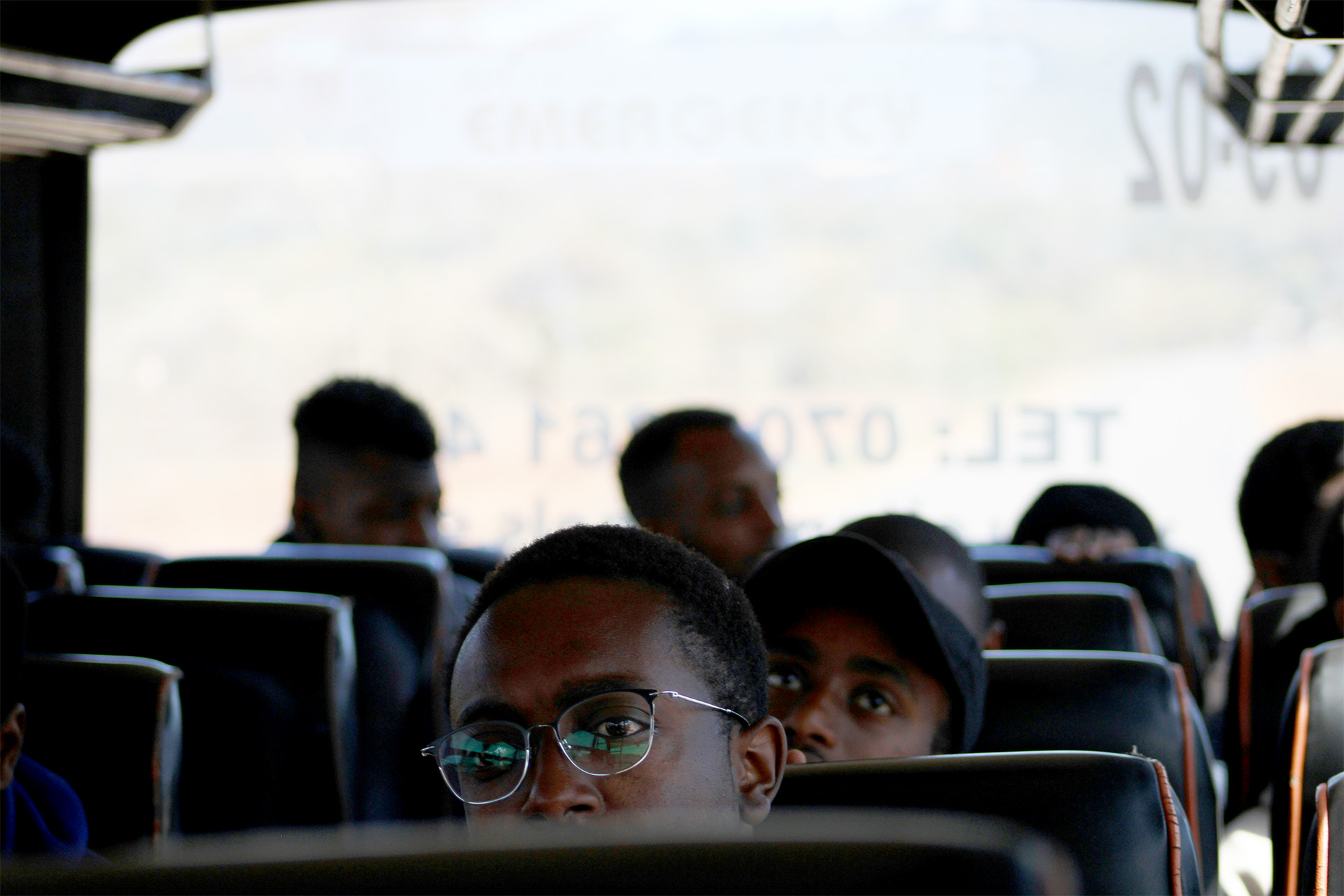
Mobilizing Municipalities Against Mpox in East Africa Hubs
Context
The spread of mpox - recently designated as both a Public Health Emergency of Continental Security and a Public Health Emergency of International Concern - demands urgent and coordinated action.
Key transit hubs and port cities within the East African Community (EAC) 1 are on the front lines of this growing threat. Municipalities and cities across Kenya, Burundi, DRC, Rwanda, Uganda and Tanzania are currently at acute risk of mpox transmission.
These municipalities are crucial in the region’s trade and transportation networks, as high-traffic intersections through which goods and people flow. They are host to high-risk populations, including long-haul truck drivers, farm workers and sex workers.
The extensive mobility and close contact inherent in these professions puts workers and surrounding communities at significant risk. The disease is spread through close contact with an infected person and is known for causing painful, pus-filled lesions, severe illness or, in some cases, death.
The Africa CDC and WHO launched a joint continental response plan for Africa. Given the strategic importance of these municipalities in EAC, their proactive participation is critical to operationalizing and supporting this strategy.
Crucially, with 367 confirmed mpox cases, including 3 deaths, reported across Southern and Eastern Africa 2 in September, the time for action is now.
At-Risk Communities
The EAC has an estimated 500,000 long-haul truck drivers who regularly travel between key transit hubs across the region, with many spending over 14 days on the road from Kinshasa to Dar es Salaam.
The municipalities through which these workers travel are also home to large numbers of farm workers and sex workers, who are at higher risk of transmission due to the close contact inherent in their work. Truck stops, farms and urban centers where sex work is prevalent pose opportunities for mpox to spread, whilst contaminated objects like towels, clothing and personal hygiene items can also carry the virus. Aside from vaccines and other medical countermeasures, this underscores the importance of safe WASH practices.
Call To Action
As the threat of mpox grows, key transit municipalities do not have the luxury of waiting for the full implementation of the strategies being developed by Africa CDC and WHO. These workers and surrounding communities are facing a perfect storm, with high-mobility and close contact professions putting them at increased risk. Immediate, proactive action is needed to protect communities and the region at large.
We are calling on municipal leaders -- particularly those of key transit cities and towns 3 -- to convene joint emergency meetings with key stakeholders to mobilize funding and resources to begin rolling out critical interventions. Stakeholders include relevant private sector actors and trade unions and East African philanthropy, as well as regional organizations.
By pooling resources, sharing costs and engaging the private sector, municipalities can ensure that the necessary medical countermeasures and community-based interventions are in place to combat mpox effectively. This coordinated approach not only mitigates the immediate threat and helps prevent the uncontrolled spread of mpox, it also strengthens the overall resilience of the region’s public health infrastructure, safeguarding both the health and economic stability of the East African Community.
Immediate Steps
Municipalities must ensure availability and deployment of effective medical countermeasures to tackle transmission and spread, including:
PPE and WASH supplies
Personal protective equipment (PPE) includes gloves, masks and face shields which could cost approximately $0.60 per mask and $1 per pair of gloves when procured in bulk. Distribution must prioritize frontline health workers and high-risk groups.
WASH supplies must include hand sanitizers, soap and water purification tablets. Mpox can also be spread through shared personal items such as towels, clothing and toothbrushes, so care packages should include these items. Setting up a mobile handwashing station costs around $500 per unit and individual hygiene kits could cost $10 to $15 per kit.
Condoms
Building on successful HIV prevention strategies, municipalities should ensure the widespread availability of condoms, which are vital in reducing the risk of mpox transmission. Condoms also limit the spread of other STIs whose interaction with mpox could aggravate complexity in treating the disease. The cost of condoms, when procured in bulk, can be as low as $0.03 per unit.
Care Packages
Care packages should contain PPE, WASH supplies and condoms, as well as educational materials about mpox. Care package costs an estimated $20.
Municipalities must strengthen community health worker (CHW) networks by:
Immediate Training and Deployment of CHWs
CHWs are essential in reaching high-risk populations. Investment in training them on mpox prevention, symptom recognition and case reporting is crucial. Training costs can be estimated at $100 per CHW.
The deployment of CHWs, including their transport and daily allowances, might require an estimated $20 per day per worker.
CHW-Led Community Engagement
Regular visits to truck stops, farms and areas where sex workers operate should be conducted by CHWs. These visits are essential for distributing care packages and providing education. A small-scale engagement initiative could start with $5,000 per municipality.
Municipalities must enhance community-based surveillance and reporting through:
Digital Surveillance Tools
Investments is needed in digital tools that enable CHWs to report suspected mpox cases in real-time. These tools can be integrated with national health databases to ensure timely responses to outbreaks. Tools ready to be deployed for truckers include the RECDTS App. Others may exist for CHWs.
CHWs must be trained on using digital tools to collect data on symptoms, report cases and monitor the health status of individuals in high-risk groups.
Community Reporting Networks
Network of CHWs must be leveraged to establish community reporting networks where individuals can report symptoms or concerns anonymously. This approach has been effective in previous health crises, allowing for early detection and containment of outbreaks.
Cross-municipality cooperation is needed to implement pooled procurement and cost-sharing. Municipalities must collectively establish:
Pooled Procurement Mechanism for Medical Countermeasures
Measures must include PPE, WASH supplies and condoms, allowing municipalities to benefit from economies of scale to reduce costs overall.
Municipalities across the EAC should contribute to a central procurement fund managed by the EAC Secretariat. This fund would handle the bulk purchasing of supplies, ensuring that all participating municipalities receive a fair allocation based on their population size and risk level.
Cost-Sharing Arrangements
Cost-sharing arrangements must be predicated on wealthier municipalities or those with more robust budgets contributing more to the procurement fund, subsidizing the costs for smaller or less financially capable municipalities. This ensures equitable access to essential supplies across the region.
Municipalities can also explore public-private partnerships (PPPs) to fund the procurement and distribution of supplies, involving local businesses and multinational corporations operating in the region.
The private sector can play a role in financing municipality led prevention and protection strategies. Municipalities should make use of:
Private Sector Partnerships:
Invitations to private sector organizations should include prominent businesses like the Mo Dewji Foundation and MeTL Group.
Organizations can provide financial support, donate supplies or offer logistical assistance for distributing medical countermeasures.
Companies involved in logistics and transport, such as those managing truck fleets, can play a critical role by ensuring that their drivers are educated on mpox prevention and are equipped with care packages.
Corporate Social Responsibility (CSR) Initiatives:
Encourage businesses operating in key transit municipalities to integrate mpox prevention into their CSR initiatives. This could involve sponsoring public health campaigns, funding CHW training or providing mobile health clinics at truck stops and farms.
Involve the private sector in the pooled procurement process by offering them opportunities to supply goods and services. This will boost local economies while addressing public health needs.
Committees and Policy Instruments Available
The EAC has established several policy instruments and committees that provide a framework for coordinated action among municipalities. These include:
The Urban Development and Human Settlements Sectoral Committee:
This committee focuses on urban development, housing and municipal management. It is well-positioned to support municipalities in implementing health-related urban planning and infrastructure projects, especially those aimed at preventing and controlling disease outbreaks like mpox.
The East African Local Governments Association (EALGA):
EALGA serves as a coordinating body for local governments within the EAC, facilitating cooperation and capacity building. Municipalities can leverage EALGA to share best practices, pool resources and ensure a unified approach to public health emergencies.
Cross-Border Health Collaboration Protocols
These protocols are designed to facilitate seamless cooperation between municipalities and national governments, particularly in managing cross-border health risks. Municipalities can activate these protocols to enhance their surveillance and response efforts against mpox.
These policy instruments may prove useful for the design of coherent response efforts, ensuring that they are aligned with regional strategies and best practices.
Conclusion
Key transit municipalities in EAC are home to workers and communities facing an acute risk of mpox transmission. There is an immediate and critical need to protect these people from the risk mpox poses as well as safeguarding the region as a whole. Mpox has already shown its capacity to spread across borders and continents, making it a significant threat to public health and economic stability in the EAC region and beyond.
In order to prevent the uncontrolled spread of mpox and safeguard the health and stability of the region, key transit municipalities must take immediate, proactive steps to protect their communities and the region at large.
The time for action is now.
References
- The East African Community – is a regional intergovernmental organization comprising of eight partners States, including the Republic of Burundi, Democratic Republic of Congo, Republic of Kenya, Republic of Rwanda, Federal Republic of Somalia, Republic of South Sudan, Republic of Uganda and United Republic of Tanzania.
- In Southern and Eastern Africa, about 367 confirmed mpox cases, including 3 deaths, have been reported in 5 countries, including Burundi (328), South Africa (24), Uganda (7), Rwanda (4) and Kenya (4) as of 2 September. Experts estimate the actual numbers could be higher. Source: https://reliefweb.int/report/burundi/southern-and-eastern-africa-mpox-situation-snapshot-3-september-2024
- Municipalities include Lubumbashi, Bukavu and Goma (DRC), Bujumbura (Burundi), Kigali (Rwanda), Kampala and Jinja (Uganda), Malaba/Busia Town (Kenya-Uganda border) and Arusha, Tabora and Dodoma (Tanzania). Port cities include Mombasa (Kenya) and Dar es Salaam (Tanzania).

Local Solutions to Build Stronger, Resilient Health Systems
The concept of localization in global health or humanitarian aid is not new. It has been a topic of discussion for decades, but global health emergencies of recent years have given new life to these conversations. COVID-19 and other large outbreaks such as Ebola, Marburg and H5N1, Mpox have turbo-charged conversations around localization and the failure of responses that do not meaningfully embody it.
First, what does this term ‘localization’ really mean?
Well, there is no one agreed upon definition of localization. The Inter-Agency Standing Committee’s Health Cluster, led by the World Health Organisation (WHO) defines it as a process by which to achieve meaningful and equitable engagement of local and national actors to achieve a locally led health response in line with humanitarian principles.
USAID defines localization more operationally, characterizing it as the set changes required of stakeholders across the global health ecosystem to ensure local actors lead efforts to strengthen local health systems and ensure they response to community needs. These changes include internal and external reforms, actions, system shifts and behaviour changes.
So, why is localization in global health needed?
Time and again, different health and humanitarian crises – especially in Africa and the Middle East – demonstrate that an effective and timely response depends upon the degree of involvement of local health actors at all levels. Adequately resourcing and financing those nearest to the crisis-affected populations to enable them to lead the response is crucial, as they are best placed to respond quickly and appropriately. Too often, however, in practice we see the Global North dominating resourcing, financing and decision-making, with catastrophic consequences for the Global South.
Prioritization is a process that heavily depends on context. If those determining the urgency of need are not where the emergency is, there is often a mismatch in the speed, magnitude and efficiency of the response. Recently the World Health Organisation (WHO) has faced criticism for being slow to declare mpox a Public Health Emergency of International Concern (PHEIC), despite West African countries warning of the scale of outbreak for some time. Designating an outbreak a PHEIC should mobilise funding and political will to address the crisis which is crucially needed in the case of mpox. Countries across Africa that are facing the worst outbreaks remain desperately short of vaccines, diagnostics and therapeutics, as they rely on donations from the EU, Japan and the US. This situation mimics the stark vaccine inequity of Covid-19.
Localization cannot happen by chance – it is intentional by nature. Directed and systemic investments are needed and must be delivered in a well-coordinated manner. This often requires market incentives and guarantees of some kind to facilitate bringing this capacity ‘closer’ to home. While localization is high up on the agenda of the Global South, it is very much still driven from the Global North as most of the related funding and technology is coming from there.
Looking forward, will promises made to empower the Global South post COVID-19 be fulfilled?
Sounding the loudest alarm bell in global health, the WHO declared COVID-19 a PHEIC on the 30th of January, 2020. The outbreak caused more than 680 million cases worldwide, claiming over 6.8 million lives. While a tremendous amount of effort was put in by governments, collaborative partners, the private sector and communities, we fell short of an adequate coordinated response. Many lives were lost as a result.
COVID-19 was characterised by major equity and access challenges, with hoarding by the Global North of medical countermeasures such as vaccines, diagnostics tools and treatments. Further, complex issues with some vaccines being ruled out by counties in the Global North and failures of under-resourced local health systems to address complex geographical or social needs caused hesitancy among some patients. This added another layer of complexity once vaccines eventually became available.
These geopolitical and economic dynamics are not new. Taking a step back to look at the HIV/AIDs journey, we can see remarkable progress in the development of new lifesaving medicines to tackle the disease. These developments are marred, however, by the continued lack of accessibility and affordability to countries in the Global South.
The first anti-retroviral drug AZT (zidovudine) was approved by the US Food and Drug Administration (FDA) in 1987. Today in 2024 there are more than 30 approved antiretroviral medications in six drug classes, with each class attacking different stages of the life cycle. The HIV drugs market size is estimated to grow from USD 33.32 billion in 2023 to surpass around USD 49.68 billion by 2032.
Issues of access persist, however, as many of the newer and better medicines are still manufactured overseas at prices far too high for Global South countries to afford. For example, in December 2022 Cabotegravir (CAB-LA) – a novel pre-exposure prophylaxis - was priced at $22 000 per year, more than 185 times higher than the $60-119 estimated cost-effectiveness threshold for middle-income countries.
Not only are these barriers to access for lower-income countries a moral failure, they are poor global health policy. Time and again we have seen how pandemics do not respect borders. The West-Africa Ebola outbreak of 2014-2016 spreading from Guinea to Liberia, Sierra Leonne, Mali, Senegal and Nigeria is a stark example. This outbreak lasted 28 months and resulted in 28, 652 cases and 11, 325 deaths. There was slow national, regional and global level response, with a reactive and inappropriately designed strategy in the three most affected countries. Notably, this included large-scale deployments of individuals with no previous experience in Ebola outbreak response and - despite multiple Ebola outbreaks occurring previously in Central and West Africa - the response relied heavily on medical countermeasures coming from the Global North.
These global health crises exacerbate the already existing global power dynamics, sensitive geopolitics and the uneven distribution of resources, financing, technology and people-power when it comes to health emergency response.
Is local manufacturing the solution?
While localization in global health goes beyond the manufacturing of drugs, vaccines and therapeutics, the research and development (R&D) pipeline is a critical indicator of what new products may come to the market in the near future. The forced reliance of Global South countries on the Global North for medical countermeasures to tackle domestic outbreaks is a model that intrenched by current global health architecture and the distribution of resources and financing.
Take - for example - vaccines. Low and middle-income countries (LMICs) are largely still dependent on Gavi, the Vaccine Alliance for their routine vaccines for children. Through this model, the number of manufacturers supplying prequalified Gavi-supported vaccines grew from 5 in 2001 to 19 in 2022 (with more than half of these based in LMICs, mostly in Asia). This growth is impressive and was made possible through systematic market shaping efforts by Gavi and its partners.
But there is an incoherency in this model that leaves countries at the behest of western counterparts or global health institutions. For example, Africa is currently reliant on technology transfers from non-African vaccine manufacturers and capacity to produce antigens locally is very limited and well below the capacity that would be needed to meet regional production targets.
African vaccine manufacturing capacity is currently heavily concentrated on form/fill/finish, with planned capacity to more than double the projected African vaccine demand by 2030. At that level, there is a risk that not every vaccine manufacturing project would be sustainable and commercially viable, leaving countries still dependent on non-African manufactures and vulnerable to the inequalities that plague historic and current examples.
Further, there is a significant issue with lack of funding for the development of new medicines in the Global South, by domestic governments and by international funders. The G-Finder report published by Policy Cures Research in January this year details that global funding for neglected disease basic research and product development totalled $3.931m in 2022, a 10% drop from the previous year.
As in all previous years, the top three funders of global neglected disease R&D in 2022 were the US NIH, industry and the Gates Foundation. Their combined funding in 2022 was $3,010m, a record 77% of the global total. In contrast, funding from LMIC governments declined in 2022 to $91m (2% of the global total). Also worthy to note that the philanthropic sector (mostly from the Global North) invested $767m in neglected disease R&D in 2022, contributing 20% of the global total.
What changes to the global health architecture are needed?
To achieve meaningful and sustainable localization in global health, there are major ecosystem shifts that are required. For products already being manufactured globally, we need to bring them closer to home by investing in local capacity to develop these products as well as creating a market for these products produced locally to be purchased.
For new products being developed, firstly we need greater and better coordinated investment from LMICs governments and funders for products needed by their populations. National budgets must include financing for local R&D and manufacturing, human capital and overall health systems strengthening. Secondly, we need investment by global north governments and funders to intentionally address the access needs in the global south by ensuring the products are developed with the aim to be produced at scale and affordable in LMICs.
Private sector and industry are also critical players in this ecosystem, with the potential to better help bridge the gap in both funding and R&D. In our increasingly global and interconnected world, it is an imperative to ensure that the Global South is not only adequately prepared to manage their increasing demands on their health systems, but also equipped to efficiency and adequately respond to disease outbreaks and health emergencies, such as the ongoing Mpox outbreak.
In conclusion…
Localization in global health must bring solutions to where the problems are. It requires true empowerment, structured and measurable commitments and accountability from governments, sustainable investments by funders (both public and private) and - mostly importantly - leadership from the Global South.
The facilitation and financing of local leadership of local health systems to meet the needs of local communities.